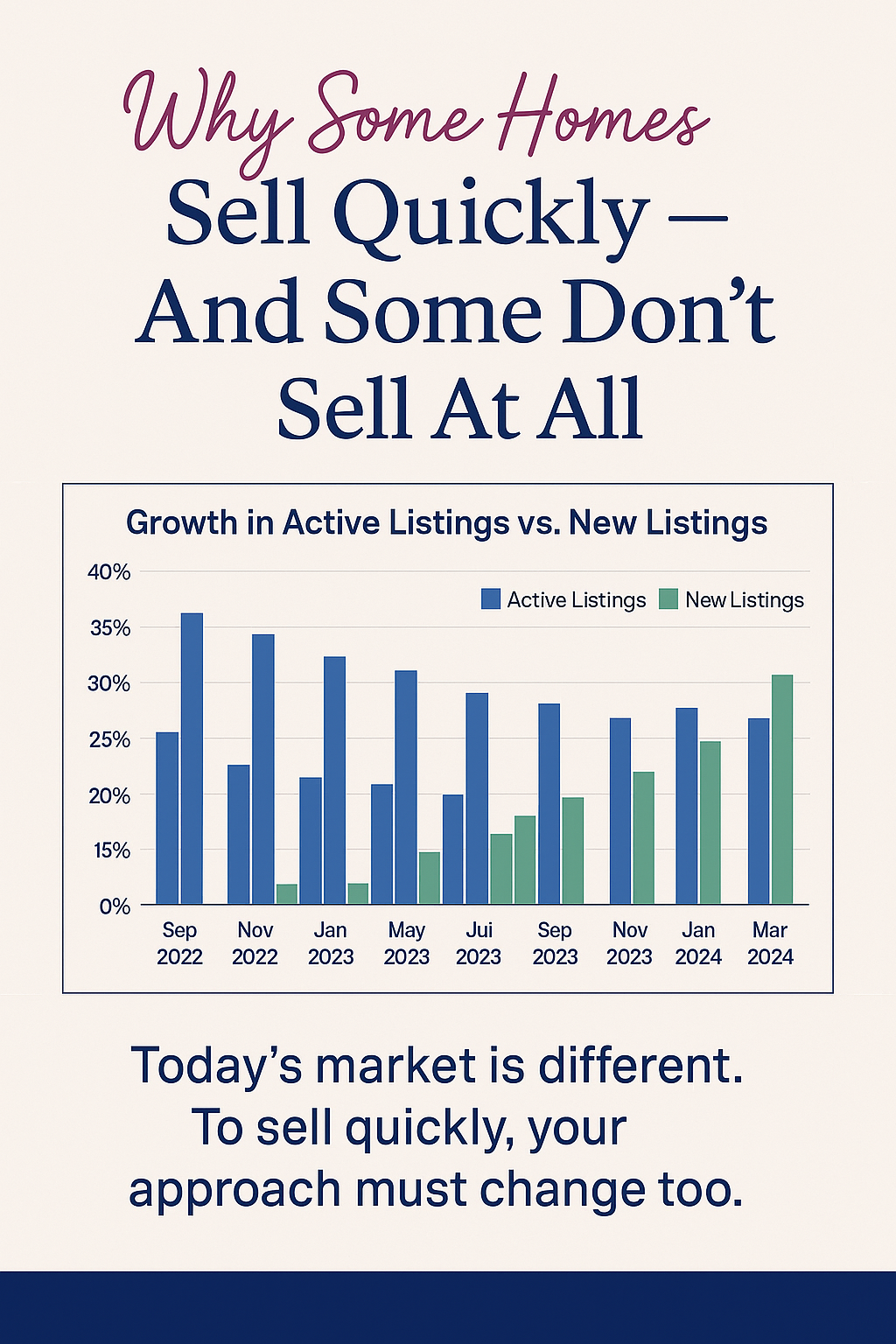

Why Some Homes Sell Fast — and Others Sit on the Market

A few years ago, homes were flying off the market. With record-low inventory, nearly anything sold — and fast. But today’s real estate landscape looks different. Inventory is up nearly 20% compared to last year, and in many areas, supply has returned to pre-2020 levels.

So, what does that mean for sellers?
👉 Your home needs to stand out from the moment it hits the market.

🔍 Why Homes Sit on the Market

Most of today’s inventory growth comes from homes that are still active — the ones that haven’t sold yet — rather than new listings. According to Realtor.com, many of these homes are taking longer to sell, which tells us something important:
It’s not just about listing your home — it’s about how you list it.

Common reasons homes linger on the market include:

  • Pricing too high based on old market conditions
  • Skipping essential repairs or updates
  • Poor listing photos or staging
  • Limited showing availability
  • Weak marketing strategies

A few years ago, sellers could list “as-is” and still attract multiple offers. Not anymore. Today’s buyers are choosier, more informed, and have more options.

💡 What Makes a Home Sell Quickly

Selling quickly in this market isn’t about luck — it’s about strategy.
Here’s what successful sellers have in common:

  1. Pricing Realistically – A competitive price based on today’s market, not yesterday’s headlines.
  2. Curb Appeal and Condition – Small upgrades and clean presentation go a long way.
  3. Professional Marketing – High-quality photos, social media visibility, and listing optimization matter.
  4. Accessibility – The easier it is to show, the faster it sells.

Remember: your first few weeks on the market are crucial. That’s when your listing gets the most exposure online. Nail your presentation early, and buyers will act fast.

🤝 Why the Right Agent Makes All the Difference

Working with an experienced REALTOR® means having someone who understands local trends, buyer behavior, and pricing strategy. According to the National Association of REALTORS® (NAR), sellers who work with agents are twice as likely to get an offer within a month compared to those who list on their own.

An expert agent will:

  • Recommend the right listing price using local comparable sales
  • Help you prep and stage for maximum impact
  • Use professional marketing that reaches buyers where they’re searching

Bottom Line

Even with more homes for sale, your property can still sell quickly — if it’s priced right, presented beautifully, and marketed strategically.

If you’re thinking about selling in Hampton Roads, Chesapeake, or Newport News, let’s connect! I’ll help you position your home to attract attention — and offers — from day one.

If you’re looking to sell, call Michele! If you’re looking to acquire — I’m your hire!

Michele Salyer, REALTOR®
Salyer Wilmoth Homes | A Better Way Realty
📞 7575023671 | 🌐 www.salyerwilmothhomes.com

April 24, 2026

What Buyers Should Know About Flood Insurance Before Buying Near Norfolk or Chesapeake

TL;DR

Flood insurance can change how affordable a home really feels, especially in Norfolk or Chesapeake where proximity to water, drainage patterns, and flood zone designations may affect insurance requirements. Before making an offer, buyers should check whether flood insurance is required, ask about estimated premiums, review the property’s flood history, and understand how the added cost may impact their monthly payment and loan approval. A home in a flood zone is not automatically a bad choice, but it should be evaluated carefully so buyers can compare the full cost of ownership, not just the purchase price.

Why flood insurance matters when buying near Norfolk or Chesapeake

Buying near Norfolk or Chesapeake often means thinking beyond the list price. Because many parts of Coastal Virginia are close to rivers, canals, tidal water, drainage areas, and low-lying neighborhoods, flood insurance can become an important part of your homebuying budget. This is one reason buyers should look carefully at the full cost of ownership, not just the mortgage payment. If you are still learning how hidden expenses can affect affordability, this connects closely with Extra Costs That Can Surprise Buyers Near Coastal Virginia.

Flood insurance is separate from homeowners insurance

A common mistake buyers make is assuming their regular homeowners insurance automatically covers flooding. In most cases, it does not. Flood insurance is usually a separate policy that may be required if the home is in a high-risk flood zone and the buyer is using a mortgage.

That extra premium can change how affordable a home feels month to month. Two homes may have similar prices, but if one has higher insurance costs or greater flood exposure, the true monthly cost can look very different. This is similar to the idea discussed in Why Two Homes in Chesapeake at the Same Price Can Feel Completely Different.

Check the flood zone before you fall in love with the home

Before getting emotionally attached to a property, buyers should ask whether the home is in a flood zone and whether flood insurance is required. A flood zone does not automatically mean a home is a bad choice, but it does mean buyers should understand the cost, risk, and coverage options before moving forward.

This is especially important for buyers comparing different areas of Norfolk and Chesapeake. The area around a home can affect commute, lifestyle, resale, insurance, and long-term comfort. For more on why location details matter beyond the house itself, read Why the Area Around a Home Matters More Than You Think.

Flood insurance can affect your buying power

Flood insurance may be included in the lender’s calculation of your monthly housing expenses. That means it can affect your debt-to-income ratio and possibly the price range you qualify for. A home may appear affordable online, but once taxes, homeowners insurance, flood insurance, and other costs are added, the payment may look different.

This is why buyers should ask for estimated insurance costs early, especially when comparing homes near water, near Naval Station Norfolk, or in lower-lying sections of Chesapeake.

Ask these questions before making an offer

Before making an offer, buyers should ask:

Is flood insurance required for this property?
What is the current flood insurance premium?
Has the property had previous flood claims?
Is there an elevation certificate available?
Are there drainage or grading concerns around the home?
Can the current owner provide insurance history or documentation?

These questions help buyers make a more informed decision before they are deep into the contract process. For a broader buyer checklist, you can also review Key Questions to Ask Before Buying a Home in Virginia.

Flood risk matters for military and relocating buyers too

For military buyers or relocating buyers, flood insurance deserves attention because timing is often tight. If you are PCSing or trying to buy near Naval Station Norfolk, you may already be balancing commute, space, budget, and timing. Flood insurance should be part of that same conversation because it can affect both monthly costs and confidence in the purchase.

If you are comparing homes while trying to stay within reach of the base, this topic also connects with How to Search for More Space Without Losing Access to Naval Station Norfolk.

Frequently asked questions

Do I need flood insurance to buy a house in Norfolk or Chesapeake?

If the home is located in a high-risk flood zone and you are using a mortgage, your lender will usually require flood insurance. If the home is not in a required flood zone, coverage may still be optional depending on the property and your comfort level with risk.

How much does flood insurance cost near Norfolk or Chesapeake?

Flood insurance costs vary depending on the home’s location, elevation, flood zone, age, construction, and coverage amount. Before making an offer, ask for a current estimate so you can compare the real monthly cost of the home. If you want help reviewing homes with this in mind, reach out before you commit to a property.

Can I buy a home in a flood zone?

Yes, buyers can purchase homes in flood zones, but it is important to understand insurance requirements, potential costs, and long-term risk. A flood zone does not automatically mean a home is not worth buying, but it should be part of your decision-making process.

Does flood insurance affect loan approval?

It can. If flood insurance is required, the cost may be included in your monthly housing expenses, which can affect your loan qualification. This is why buyers should check insurance costs early instead of waiting until later in the transaction.

What should I ask before buying a home with possible flood risk?

Ask about flood zone status, insurance premiums, past claims, elevation certificates, drainage, and whether the seller has any flood-related documentation. If you are comparing multiple homes, I can help you look beyond price and evaluate the full picture.


If you are buying in Norfolk, Chesapeake, or nearby Coastal Virginia communities, I can help you compare homes with flood insurance, location, commute, and long-term costs in mind.

Michele Salyer, REALTOR®

📞 757-502-3671

🌐 www.salyerwilmothhomes.com

“If you are looking to sell, Call Michele! If you are looking to acquire, I’m your hire!”

Salyer Wilmoth Homes | A Better Way Realty

Equal Housing Opportunity

Posted in Buyer Guides
April 23, 2026

Should You List Before You Move Out or Wait Until the Home Is Empty?

TL;DR

There is no one-size-fits-all answer to whether you should list your home before you move out or wait until it is empty, because the better choice depends on your timeline, your daily routine, the home’s condition, how well the space shows with furniture in place, and how much disruption you can realistically manage; in many cases, listing before moving out can help you get to market faster and show how the home lives, while waiting until the property is empty can make cleaning, scheduling, repairs, and vacant staging easier, so the smartest approach is to choose the option that helps your home show at its best while keeping the selling process manageable for your household.

Why this question matters when selling a home

One of the most common decisions sellers face is whether to put the home on the market while they are still living in it or wait until they have fully moved out. This choice can affect your prep timeline, your listing photos, your showing schedule, and how buyers experience the space in person.

Some homes feel warm, functional, and more inviting when they are lived in and thoughtfully prepared. Others show better once extra furniture, personal items, and everyday clutter are removed. The right strategy is not about following a universal rule. It is about understanding what will help your particular home make the strongest first impression while keeping the process realistic for your move.


If part of your concern is how your home will come across online first, it also helps to think beyond in-person showings. A strong digital first impression matters too, especially now that so many buyers begin with photos and virtual browsing. That is why prep decisions often connect closely with how homes are presented online, just like we covered in Preparing Norfolk Homes for Virtual Tours.

The case for listing before you move out

Listing before you move out can work well when the home is already in solid condition and can be kept clean and show-ready without too much stress. For many sellers, this option helps shorten the gap between selling the current home and moving into the next one.

An occupied home can also help buyers understand scale and function. Furniture can make it easier to see how a bedroom fits a bed, how a dining area works, or how a living room flows. When the home is well organized, lightly styled, and consistently maintained, occupied listing photos and showings can still create a strong impression.

This route may also help sellers who want to avoid carrying the cost of an empty home for too long. If you list while still living there, you may be able to start marketing sooner, generate interest earlier, and keep your timeline moving.


Still, this option works best when you can stay on top of daily prep. If every showing requires a major scramble, or if the home regularly feels crowded, overly personalized, or difficult to access, being occupied can start to work against you. In some cases, sellers also realize that their next move is tied to bigger lifestyle needs, such as wanting more space or a different setup altogether. If that sounds familiar, you may also want to read How to Search for More Space Without Losing Access to Naval Station Norfolk for a practical look at how timing a move connects with your next-home goals.

The case for waiting until the home is empty

Waiting until the home is empty can make the selling process feel more controlled. Once the property is vacant, it is often easier to deep clean, complete touch-ups, schedule professional photos, and allow showings with fewer disruptions.

An empty home can also make it easier for buyers to focus on the space itself rather than on your belongings. This can be especially helpful if the home currently feels visually busy, if the furniture is oversized, or if moving out reveals better flow and cleaner sight lines.

Vacant homes can also simplify logistics. Sellers do not have to leave at the last minute for every showing, hide personal items, or maintain daily perfection while juggling work, children, pets, or a relocation schedule.


That said, empty does not automatically mean better. A vacant home can sometimes feel colder, smaller, or less memorable if it is not cleaned, styled, or maintained well. Empty rooms can also highlight flaws that furniture once softened. In some cases, light staging or partial staging may still be needed to help the home feel more welcoming.

What sellers should weigh before deciding

The best choice usually comes down to five practical factors: condition, presentation, timing, convenience, and cost.

First, look at the current condition of the home. If you still need repairs, paint updates, flooring work, or major decluttering, moving out first may give you a cleaner runway. If the home is already polished and easy to maintain, listing before moving out may be perfectly reasonable.

Second, think about presentation. Ask whether your current furniture helps the home feel spacious and functional or whether it makes rooms feel smaller, darker, or more crowded. Not every occupied home shows poorly, and not every vacant home shows well. The question is which version of the home will photograph and present better to buyers.

Third, consider timing. If you need to sell quickly or want to overlap your move with your marketing period, listing while occupied may help you start sooner. If your move-out date is already set and close, waiting until the home is empty may be worth it if it leads to cleaner execution.

Fourth, be honest about convenience. Some sellers can keep a home spotless and flexible for showings. Others cannot, and that is okay. A strategy that looks good on paper but is difficult to sustain can create unnecessary stress.


Fifth, account for cost. Vacant homes may lead to extra carrying costs, utility bills, lawn care, security concerns, or staging expenses. Occupied homes may save money in some areas but can require more effort to maintain day after day. Sellers who are weighing both the timing of their sale and the financial side of their next move may also find it helpful to read Which Extra Costs Can Surprise Buyers Near Coastal Virginia Before Making an Offer, especially if selling this home is part of buying another one soon.

When listing while occupied makes the most sense

Listing before you move out often makes sense when your home is clean, updated enough to compete well, and furnished in a way that supports the layout. It can also be a smart option when your market timing matters and you do not want to delay going live.

This path tends to work best when sellers have a plan for keeping surfaces clear, reducing personal items, controlling odors, and making showings as smooth as possible. Even if you are still living there, small changes can make a big difference. Neutral bedding, simplified decor, cleaner countertops, brighter lighting, and organized storage can all help buyers focus on the home rather than the household.


Occupied listings are often strongest when the home feels calm, spacious, and easy to access despite being lived in. That same principle comes up often on the buying side too: buyers are not just comparing price, but also how a home feels, functions, and presents in real life. 

When waiting until the home is empty makes the most sense

Waiting until the home is empty may be the better move when the house needs significant decluttering, patching, painting, or flooring work that is easier to complete after move-out. It may also make sense when your current setup distracts from the home’s strengths.

For example, if a room is being used in a way that confuses its intended purpose, or if furniture makes circulation feel tight, an empty or lightly staged version of the home may create a clearer impression. Sellers who have demanding schedules may also find that vacant showings are far easier to manage.


A middle-ground option many sellers overlook

This does not have to be an all-or-nothing decision. Some sellers begin preparing the home while still living there, move out, and then list immediately after final cleaning and touch-ups. Others move most of their belongings out first, leaving behind a few well-chosen pieces for scale and comfort until photos are done.

There is also the option of consulting with a real estate professional before deciding. A room-by-room walkthrough can help you determine whether your home shows better occupied, partially vacant, or fully empty. Sometimes the answer is obvious once you look at the home through the eyes of a future buyer rather than through daily habit.

The goal is not simply to get the home listed. The goal is to enter the market in a way that supports a stronger presentation and a smoother sale.

Fair housing and smart seller strategy

When deciding how and when to list, sellers should keep the focus on the property, presentation, and market strategy. Marketing should highlight the home’s condition, layout, features, and lifestyle practicality without steering, excluding, or implying preference for any protected class.

That means describing the home in a way that is accurate, inclusive, and centered on the property itself. A strong listing strategy is not about trying to attract only one type of buyer. It is about presenting the home clearly and professionally so all qualified buyers can evaluate it fairly.

The best choice depends on how your home will show

Should you list before you move out or wait until the home is empty? The best answer is whichever option helps your home look its best, keeps the process manageable, and supports a smoother experience from photos to showings to closing.


For some sellers, that means listing while the home is still occupied but carefully prepared. For others, it means waiting until the home is empty so repairs, cleaning, and presentation are easier to manage. The smartest decision is the one based on how your specific home will perform, not on a blanket rule.

Frequently asked questions

Is it better to sell a house empty or staged?

It depends on the home and how it looks in photos and in person. A staged home often feels more inviting and helps buyers understand room scale and function, while a completely empty home can feel clean and simple but sometimes less warm or smaller than expected. The better option is usually the one that helps the property feel clear, spacious, and move-in ready.

Should I wait until I move out to list my house?

You should wait until move-out if being in the home makes repairs, deep cleaning, decluttering, or showing logistics too difficult. If you think your home will present much better once it is empty, that extra time may be worth it. If you want help deciding which timing makes more sense for your home in Chesapeake, Norfolk, or Virginia Beach, reach out for a pre-listing strategy walkthrough.

Can you show a house while the seller still lives there?

Yes, many homes are shown while the seller still lives there. The key is preparation. The home should be easy to access, clean, minimally personalized, and ready for short-notice showings whenever possible. If you are planning to sell soon and want a realistic plan for staying market-ready without feeling overwhelmed, feel free to reach out.

Do empty houses sell faster?

Not always. An empty house can be easier to show and photograph, but it does not automatically sell faster. Much depends on pricing, condition, presentation, and how the home compares to nearby listings. Some empty homes benefit from light staging so buyers can better understand the layout and feel of the space.

What should sellers do before listing an occupied home?

Sellers should focus on decluttering, deep cleaning, reducing personal items, improving lighting, handling small repairs, and creating a simple system for quick showings. The goal is to make the home feel calm, spacious, and easy for buyers to picture as their own. If you want help building that pre-listing plan, you can send a message for guidance on what to tackle first.


Thinking about selling and not sure which timing makes the most sense for your home? A thoughtful pre-listing plan can help you choose the option that supports a stronger first impression.

Michele Salyer, REALTOR®

📞 757-502-3671

🌐 www.salyerwilmothhomes.com

“If you are looking to sell, Call Michele! If you are looking to acquire, I’m your hire!”

Salyer Wilmoth Homes | A Better Way Realty

Equal Housing Opportunity
April 22, 2026

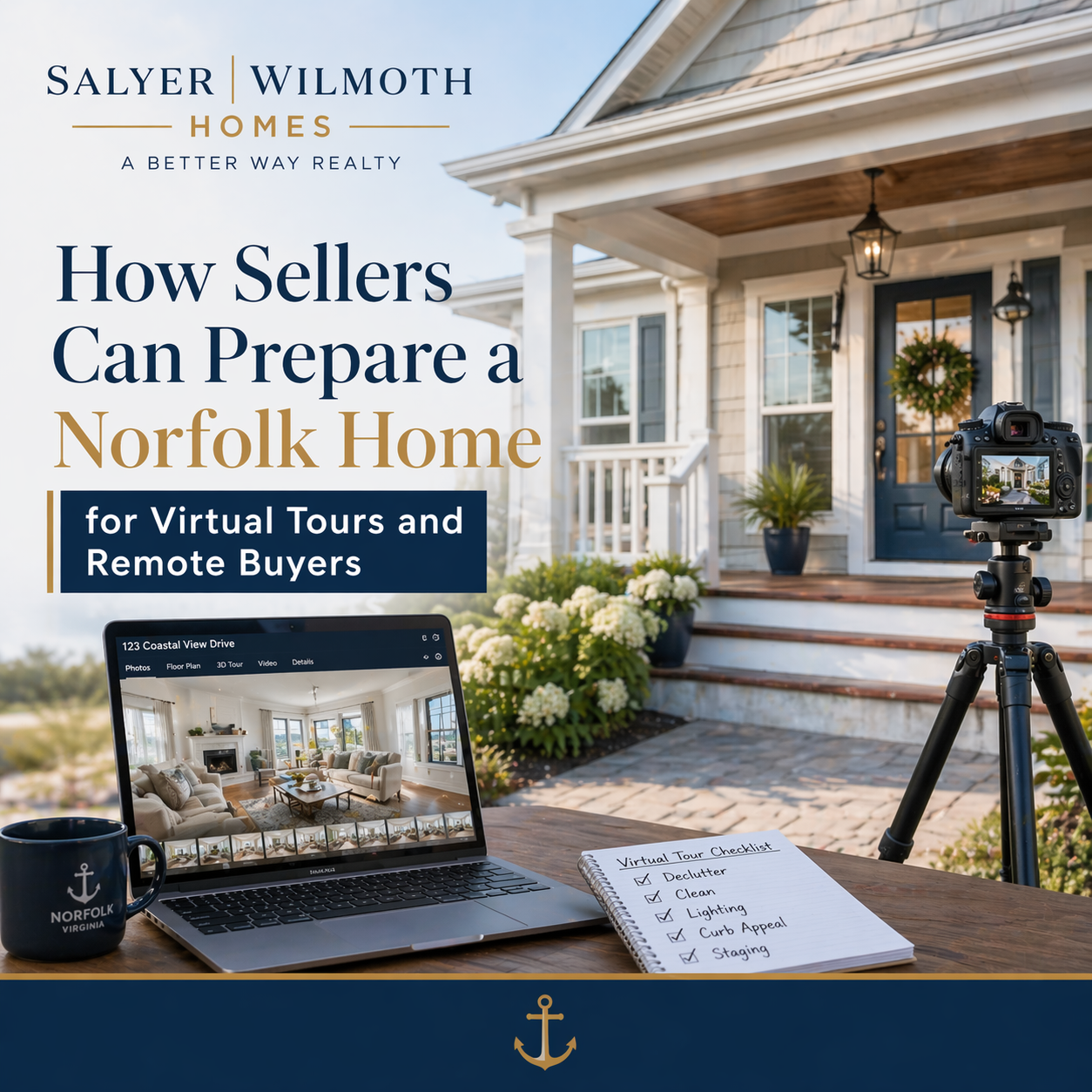
How Sellers Can Prepare a Norfolk Home for Virtual Tours and Remote Buyers

TL;DR


If you want your Norfolk home to stand out to virtual-tour shoppers and remote buyers, focus on the details that help someone feel confident from a distance: clean sightlines, bright lighting, accurate photos, a clear floor plan, honest disclosures, and a smooth showing experience. Virtual marketing works best when it helps buyers understand the home’s layout, condition, and day-to-day functionality without guessing. In a market where many buyers start online and some make decisions before they ever visit in person, sellers can gain an edge by preparing every room for the camera, reducing visual distractions, sharing practical property information early, and making sure the listing tells a clear, fair-housing-compliant story about the home itself rather than who should live there. For Norfolk sellers, that can also mean being ready to answer practical questions about flood considerations, permits, exterior changes, and property documents so remote buyers feel informed, not hesitant.

Why Virtual-Tour Prep Matters When You Are Selling

When your home hits the market, many buyers will see it online before they ever decide whether it is worth seeing in person. That first impression happens fast. If your listing feels dark, cluttered, unclear, or hard to follow, some buyers will move on before they ever ask a question.

That is one reason virtual-tour prep matters so much. A home that shows well online can create stronger interest earlier, especially among buyers who are comparing several properties from a distance. Your goal is to make your home feel easy to understand and easy to trust from the start.


If you are also thinking about how presentation affects buyer response overall, you may also want to read Why Home Staging Matters When Selling Your Home (and How It Helps You Sell Faster). It is a helpful companion post if you want a broader look at why preparation and presentation still make such a difference when you sell.

Make Your Home Camera-Ready, Not Just Clean

A clean home is a good start, but a camera-ready home goes further. Virtual tours and listing photos tend to highlight things you may not notice in everyday life, like crowded corners, too much furniture, dark lighting, unstyled surfaces, or rooms that do not feel clearly defined.

Before your photos or tour, clear counters, reduce excess décor, put away personal items, and remove anything that makes a room feel visually busy. Try to make each space feel open and easy to read. Buyers should be able to understand the purpose of each room quickly without feeling distracted by clutter or wondering how the space actually works.

Lighting matters too. Open blinds where it helps, replace dim bulbs, and make sure your home feels bright and consistent from room to room. The better your home reads on camera, the easier it is for buyers to stay interested.


For more seller tips on creating a stronger first impression, give How to Stage Your Home to Sell Fast in Hampton Roads a read as well. It fits naturally with this step and can help you think more strategically about how your home comes across before it goes live.

Help Buyers Understand the Flow of the Home

One of the biggest challenges with virtual tours is that buyers can easily get confused about layout. A room may look nice on its own, but if the flow from one room to another feels unclear, buyers may walk away unsure of how the home actually lives.

That is why you should prepare your home with movement and visibility in mind. Open interior doors before filming. Keep hallways clear. Remove any furniture that interrupts the natural path from one space to another. If you have a flex room, bonus room, or awkward corner, stage it in a way that makes its function easy to understand.


When buyers can quickly follow the layout, they are more likely to remember your home positively. A clear flow helps your home feel more usable and less uncertain, especially for buyers who are relying heavily on what they can see online.

Give Remote Buyers the Details They Will Want Early

Buyers viewing your home from a distance are often looking for more than attractive visuals. They want enough information to decide whether your home feels like a serious option. That means it helps to prepare useful details ahead of time instead of scrambling for answers later.

Think about the questions a serious buyer might ask after viewing your home online. Have recent updates ready. Be prepared to share the age of major systems if you know them. Make it easy to explain storage, parking, yard features, and any details that help someone understand how the property functions day to day.

The more prepared you are, the more confident your home can feel to someone who is making decisions from a distance.


And if you are also thinking about the bigger financial side of buyer decision-making, you may want to check out How to Price Your Chesapeake Home to Attract Serious Buyers Early. While it focuses on pricing, it is another useful read if you want to understand what helps attract stronger interest from the start.

Know What Is Worth Fixing Before You List

Not every issue needs to be solved before you list, but some updates can make a noticeable difference in how your home shows online. Minor cosmetic issues such as scuffed paint, burnt-out bulbs, messy landscaping, outdated fixtures, or visible maintenance concerns can pull attention away from your home’s strengths during a virtual tour.

That does not mean you need to over-renovate. It means you should be thoughtful about which issues may make your home feel neglected, confusing, or less market-ready than competing listings. In many cases, simple improvements can do more for your online presentation than expensive projects.


If you are trying to decide which repairs or improvements are worth making before listing, you may also want to read Is It Better to Renovate or Sell As-Is? A 2026 Homeowner’s Guide to Maximizing Profit. It is a smart next read if you are weighing whether to do more before putting your home on the market.

Highlight the Features That Show Best on Screen

Some features matter more in person, and some matter more online. In a virtual setting, buyers tend to notice natural light, room flow, storage, kitchen functionality, outdoor usability, parking, and overall upkeep very quickly.

As you prepare your home, think about which features will translate clearly through a screen. A bright kitchen with clean counters may stand out more than decorative styling. A tidy patio or backyard may do more than a crowded outdoor setup. A clean entryway, visible driveway, and organized garage can also help your home feel practical and well cared for.

This is another place where your preparation can support buyer confidence. When your home’s best features are easy to see and easy to understand, buyers do not have to work hard to imagine the value.

Keep the Marketing Focused on the Property Itself

As you prepare your listing, make sure the marketing stays centered on the home rather than on assumptions about who may want to live there. The most effective and fair-housing-conscious approach is to focus on the property’s actual features: layout, condition, updates, light, storage, outdoor space, and everyday functionality.

That kind of description is not just safer. It is also more useful. Buyers respond better when they can clearly understand the home itself rather than reading vague or exaggerated language.

If you are still figuring out who should guide you through the selling process, you may also want to read How to Hire a Real Estate Agent Who Puts Your Best Interest First as a Seller. It is a strong related post for homeowners who want help making smart selling decisions from pricing to marketing to preparation.

Be Ready for the Next Questions Buyers Will Ask

Once buyers finish a virtual tour, their next step is often a round of practical questions. They may want to know about the roof, HVAC, windows, recent updates, outdoor features, parking, storage, or anything else that helps them compare your home to others they have seen.

This is where preparation pays off again. When your home shows well online and the next layer of information is ready to go, the process feels smoother and more credible. Buyers are less likely to feel uncertain, and you are in a stronger position to keep their attention.

The smoother that transition feels, the easier it is for a serious buyer to go from “this looks interesting” to “I want to know more.”

Frequently asked questions

How do I prepare my Norfolk home for a virtual tour?

Start by decluttering, deep cleaning, improving lighting, and making each room easy to understand on camera. Buyers should be able to follow the flow of the home easily and see its best features without distractions. The goal is to make your home feel bright, clear, and well cared for online.

What do remote buyers want to see when they look at a home online?

Remote buyers usually want a realistic view of the layout, condition, storage, natural light, outdoor space, and recent updates. They are often looking for enough information to decide whether your home feels worth pursuing further, even before they visit in person.

Should I stage my home before listing it for virtual tours?

In many cases, yes. Even light staging or thoughtful setup can help your home feel more open, more polished, and easier to understand on screen. You do not always need a full redesign, but presentation can make a real difference in how your home comes across online.

What should I fix before marketing my home to remote buyers?

Focus first on what may affect a buyer’s confidence when viewing the home online. That can include visible maintenance issues, poor lighting, scuffed paint, clutter, or anything that makes the home feel less cared for. If you are not sure what is worth doing before listing, reaching out for advice can help you prioritize the right updates.

Can a strong virtual tour really help my home attract better interest?

Yes. A strong virtual presentation can help your home stand out, make it easier for buyers to understand the layout, and encourage more serious interest earlier in the process. When buyers feel clear on what they are seeing, they are more likely to stay engaged and take the next step.


If you are getting ready to sell and want your Norfolk home to show well for virtual tours and remote buyers, I would be glad to help you prepare a smart plan before your listing goes live.

Michele Salyer, REALTOR®

📞 757-502-3671

🌐 www.salyerwilmothhomes.com

“If you are looking to sell, Call Michele! If you are looking to acquire, I’m your hire!”

Salyer Wilmoth Homes | A Better Way Realty

Equal Housing Opportunity

April 21, 2026

What Makes a Home Easier to Maintain for Busy Military Families

TL;DR

For busy military families, an easier-to-maintain home usually comes down to practical choices: manageable square footage, durable finishes, efficient storage, a simple yard, updated systems, and a location that makes daily routines easier. In areas like Chesapeake, Norfolk, and Virginia Beach, a home that saves time on cleaning, upkeep, and commuting can help reduce day-to-day stress and make military life feel more manageable. The best choice is often not the biggest or flashiest home, but the one that fits your schedule, your budget, and the way you actually live.

Why maintenance matters when your schedule is already full

For many military households, home shopping is not just about price, size, or location. It is also about how much work the property will require after move-in. A home can look great in listing photos and still create extra stress if it needs constant yard work, frequent repairs, or too much cleaning to stay functional. When your schedule already includes duty hours, shifting routines, travel, or a possible PCS timeline in the future, low-maintenance features can make a real difference.


Buyers often focus on obvious details first, like price, bedroom count, or curb appeal. Those things matter, but so does how the home will function after the excitement of the purchase wears off. If a property constantly demands your time, energy, and money, it may not feel like the right fit no matter how good it looked online.

Look for a layout that is easy to clean and easy to live in

A home does not need to be small to feel manageable, but it should be efficient. Large homes with extra rooms, oversized formal spaces, or complicated layouts may sound appealing at first, yet they can create more cleaning, more upkeep, and more unused square footage. For busy military families, a home that flows well often matters more than one that simply has more space.

Open main living areas can make daily life easier because they reduce awkward corners, improve visibility, and help the home feel connected. A sensible floor plan can also make it easier to keep clutter under control. Bedrooms placed where they support routine, laundry located conveniently, and storage positioned where it is actually useful can all reduce the amount of work the home creates. For military buyers, ease of maintenance often overlaps with everyday livability, which is also why What Makes a Home Practical for Military Life Near Naval Station Norfolk is a helpful related read before focusing only on square footage.

Single-story living may also appeal to some buyers because it eliminates stair maintenance inside the home and can simplify everyday routines. That does not make it the right fit for everyone, but it is a feature worth weighing if ease of upkeep is part of your priority list. Some buyers also begin their search thinking they need as much room as possible, but a more manageable setup is often the better long-term fit, especially if you are trying to balance comfort with convenience as discussed in How to Search for More Space Without Losing Access to Naval Station Norfolk.

Durable materials can save time and money over the long run

One of the easiest ways to spot a more maintainable home is to look at the finishes. Some materials simply hold up better to everyday use and require less constant attention. Flooring is a good example. Hard surface flooring in main living areas is often easier to maintain than surfaces that stain easily or wear down quickly. Countertops, cabinetry finishes, and exterior materials also matter because they affect how much ongoing care the home may need.

Updated windows, roofing, siding, and HVAC systems may not be the most exciting parts of a showing, but they are often the features that matter most after closing. A home with big-ticket systems already updated may offer fewer surprise projects and fewer urgent expenses in the first few years of ownership. Two homes at a similar price point can create very different ownership experiences depending on layout, condition, and upkeep demands, which is one reason Why Two Homes in Chesapeake at the Same Price Can Feel Completely Different fits naturally into this conversation.

This can be especially important for buyers who want a home that feels practical from day one. Lower-maintenance materials can support not just convenience, but also better budgeting, especially for households trying to balance housing costs with the realities of military life.

A manageable yard is often better than a large one

A big yard sounds attractive to many buyers, but it is not always the easiest fit for a busy schedule. Outdoor maintenance takes time, money, and planning. Lawns need mowing, landscaping needs upkeep, and larger lots can bring more seasonal work than buyers expect. For military families who want more freedom on weekends or less pressure during busy stretches, a smaller or simpler yard may be the better choice.

That does not mean outdoor space has no value. It means the right question is not just “How much yard does this home have?” but “How much work will this yard require?” A property with low-maintenance landscaping, fewer specialty features, and a simpler outdoor layout may be easier to live with over time than one that demands frequent upkeep.

In Chesapeake, Norfolk, and Virginia Beach, this can be especially relevant because weather, drainage, and seasonal growth patterns can affect how much maintenance outdoor areas require. A yard that looks easy in a listing photo may feel very different after a few months of ownership.

Storage can reduce maintenance more than buyers realize

Storage is one of the most underrated maintenance features in a home. When a property has useful storage, it becomes easier to keep surfaces clear, organize gear, and avoid clutter building up in main living spaces. For military households, that can matter even more because everyday life may include uniforms, work bags, seasonal items, household supplies, moving materials, and items that need to stay accessible.

Closets, pantry space, garage organization potential, linen storage, and laundry room storage all contribute to whether a home feels manageable. Homes without enough storage may require more furniture, more workarounds, and more daily effort to stay functional. Over time, that adds friction to everyday life.

A home that helps you stay organized often becomes a home that feels easier to maintain. Less clutter usually means quicker cleaning, less visual stress, and a smoother daily routine.

Updated systems usually mean fewer surprises

Busy buyers are often better served by asking practical questions about the age and condition of major home systems. Even a visually attractive home can turn into a high-maintenance purchase if the roof, water heater, HVAC, plumbing, or electrical components are near the end of their typical life span. A home with fewer deferred maintenance issues is often easier to own, easier to budget for, and easier to settle into.

That does not mean older homes should be ruled out. Many older properties are excellent options. The key is to understand what has been updated, what may need attention soon, and whether the home fits your timeline and comfort level for projects. A home that needs several repairs at once may not be the best match for a household already managing a demanding schedule.

This can matter even more if you are buying with the possibility of another move in the future. A home with manageable upkeep and fewer major project risks may feel like a better fit if flexibility is important, much like the considerations discussed in What to Prioritize in a Home If You May PCS Again in a Few Years.

When touring homes, it helps to think beyond cosmetic details. Fresh paint is nice, but dependable systems are what often determine whether a home feels easy or exhausting after move-in.

Location can make a home easier to maintain too

Maintenance is not only about the house itself. It is also about the way the location supports your routine. A home that shortens errands, improves commute options, and keeps daily necessities within reach can reduce the time and effort required to manage everyday life. In that sense, location is a maintenance feature too.

For buyers near Naval Station Norfolk, a practical location may mean less time spent in traffic, easier access to groceries and services, and a more predictable routine overall. That can make a home feel more manageable even if the property itself is not brand new. The surrounding area, commute flow, and convenience also shape how manageable a home feels day to day, which is one reason Why the Area Around a Home Matters More Than You Think is such a helpful related topic.

On the other hand, a house that adds stress through a difficult commute or inconvenient daily logistics may not feel low-maintenance in real life. The easiest home to maintain is often the one that supports the way you already live.

A smart low-maintenance home is about fit, not just features

There is no single checklist that works for every buyer. One military family may prefer newer construction with minimal upkeep, while another may be comfortable with an older home that has already had key updates completed. What matters most is finding a property that fits your time, budget, tolerance for projects, and day-to-day routine.

The best low-maintenance home is usually the one that helps life run more smoothly. It lets you spend less time on repairs, cleaning, and constant upkeep, and more time focusing on work, family life, and the reasons you wanted to buy in the first place. That is a practical advantage, and for many military buyers, it is one worth prioritizing from the start.

Frequently asked questions

Is a newer home easier to maintain for military families?

In many cases, yes. A newer home may offer updated systems, more energy-efficient features, and materials that require less immediate upkeep. That does not guarantee zero maintenance, but it can reduce the likelihood of major repairs in the near term. Older homes can still be strong options if important components have already been updated and the home inspection shows the property has been well maintained.

What home features are easiest to maintain for a busy military household?

Features that often make a home easier to maintain include durable flooring, practical storage, a functional layout, updated HVAC and roofing, simple landscaping, and manageable square footage. The goal is usually to choose features that reduce cleaning time, limit repair surprises, and make everyday routines easier. If you are comparing homes in Chesapeake, Norfolk, or Virginia Beach, I can help you look beyond surface-level details and focus on what may feel easier to live with long term.

Is a smaller yard better for military buyers with busy schedules?

For many buyers, a smaller or simpler yard can be easier to manage. It may require less mowing, less seasonal upkeep, and fewer ongoing landscaping costs. That can be especially helpful for households that want lower weekend maintenance demands. The best choice depends on your lifestyle, but it is smart to think about how much yard work you realistically want to take on before making an offer.

Should military families avoid fixer-uppers?

Not always, but fixer-uppers are usually best for buyers who have the time, budget, and willingness to manage repairs or upgrades. For busy military families, a home with fewer immediate projects may be a more practical fit. If you want help comparing whether a move-in-ready home or a property with light improvement potential makes more sense for your timeline and budget, feel free to reach out.

Does location affect how easy a home is to maintain?

Yes. Commute times, access to groceries and services, traffic flow, and convenience all affect how manageable a home feels in practice. A property may be appealing on paper, but if the location adds daily stress, it may not feel like the right fit over time. If you want to compare areas in Chesapeake, Norfolk, or Virginia Beach based on your routine, I’d be glad to help you narrow it down.


If you want help finding a home that feels practical, manageable, and realistic for your schedule, reach out anytime.

Michele Salyer, REALTOR®

📞 757-502-3671

🌐 www.salyerwilmothhomes.com

“If you are looking to sell, Call Michele! If you are looking to acquire, I’m your hire!”

Salyer Wilmoth Homes | A Better Way Realty

Equal Housing Opportunity

Posted in Buyer Guides
April 20, 2026

Extra Costs That Can Surprise Buyers Near Coastal Virginia

TL;DR

Buying near Coastal Virginia can involve more than just the purchase price and estimated mortgage payment. Many buyers are surprised by added expenses such as flood insurance, homeowners insurance, HOA or condo fees, closing costs, escrow deposits, moving expenses, utility setup, and ongoing maintenance that may come with coastal conditions like salt air, humidity, and storm exposure. A home that seems manageable at first can feel very different once those extra monthly and upfront costs are included, which is why it helps to look at the full cost of ownership before making an offer.

Why buyers near the coast often feel caught off guard

Many buyers begin with the list price, interest rate, and estimated monthly mortgage payment. That is a smart starting point, but it is not the full financial picture. The true cost of buying a home often includes several upfront and ongoing expenses that do not always stand out during the early stages of a home search.

Near Coastal Virginia, those added expenses can feel even more noticeable. A home may look affordable at first glance, but once insurance, community fees, maintenance, and closing-related costs are added, the numbers can shift quickly. That is one reason buyers often discover that two homes at the same price can feel completely different once the full cost of ownership is factored in. That does not mean buyers should avoid coastal areas. It simply means buyers should compare homes based on total ownership cost, not just sale price.

Flood insurance can be one of the biggest surprises

One of the most common surprise expenses for buyers near the coast is flood insurance. Many buyers assume a standard homeowners insurance policy covers all types of water damage, but flood coverage is often separate. Depending on the property, lender requirements, and flood risk, this can become an added monthly or annual expense that changes the affordability of a home.

Even when flood insurance is not required, some buyers still choose to carry it for added protection. This is why it helps to ask early whether a property may need separate flood coverage and to request an estimate before getting too far into the process. A home can look like a great fit until this one line item changes the monthly budget.

Homeowners insurance may be higher than expected

Another surprise cost for buyers near Coastal Virginia is the price of homeowners insurance itself. Coastal exposure, weather patterns, wind concerns, and other property-specific factors can all affect premiums. Two homes with similar prices may carry very different insurance costs depending on where they are located and how they are built.

Buyers should also pay attention to deductibles, especially if the policy includes separate wind or storm-related terms. A low monthly premium does not always mean lower risk out of pocket later. It is worth looking beyond the basic quote and asking what the policy actually includes, what it excludes, and how the deductible works.

HOA and condo fees can change the monthly payment picture

HOA fees and condo dues are another major area where buyers can get caught off guard. These costs are often separate from the mortgage payment, which means they may not feel as visible during the first conversation about affordability. But once they are added to the monthly budget, they can significantly change how comfortable a property feels financially.

This matters even more in communities with shared amenities, private roads, exterior maintenance, elevators, pools, or other common features. Buyers should ask what the dues cover, whether fees have increased recently, and whether there are any known projects or repairs that could lead to future assessments. In many cases, buyers also start noticing that the area around a home matters more than they think because neighborhood layout, drainage, access, and surrounding upkeep can all influence both present cost and long-term value.

Closing costs and cash to close may be more than expected

Many buyers focus heavily on the down payment and do not realize how much additional cash may be needed at closing. Closing costs can include lender fees, title-related charges, prepaid items, escrow funding, and other settlement expenses. These can add up quickly, especially when insurance costs are already higher.

This is one of the biggest reasons buyers should review their estimated cash to close early in the process. A buyer may qualify for the mortgage and feel comfortable with the payment, but still be surprised by how much money is needed upfront to actually complete the purchase.

Maintenance costs near the coast can add up over time

Not every surprise cost appears before closing. Some of the biggest financial differences show up after move-in. Near Coastal Virginia, salt air, humidity, storms, and moisture exposure can lead to more frequent upkeep for certain materials and systems. Exterior paint, hardware, decks, roofing, drainage, windows, and HVAC systems may all need closer attention over time.

This does not mean every home near the coast will be expensive to maintain. It does mean buyers should think practically about upkeep. Ask about the age and condition of the roof, HVAC, siding, crawl space, foundation, drainage, and any prior repairs related to water or storm issues. A beautiful home still needs to work well in everyday conditions. For buyers who may not stay in one home forever, this also connects closely to what to prioritize in a home if you may PCS again in a few years, since ongoing costs and ease of resale often go hand in hand.

Property taxes, utility setup, and move-in expenses still matter

Some extra costs are less dramatic but still important. Property taxes, utility deposits, moving expenses, appliance replacements, and small repairs after move-in can all affect a buyer’s first few months in the home. These may sound manageable one by one, but together they can create pressure if a buyer has only budgeted for the mortgage payment.

That is why the better question is not only whether you can qualify for a home, but whether the home will still feel comfortable once the full cost of ownership is included. Looking at the bigger picture helps buyers make more sustainable decisions, especially for buyers still comparing Chesapeake, Norfolk, and Virginia Beach and trying to understand which location makes the most sense financially and practically.

How to budget smarter before making an offer

The best way to avoid surprises is to treat each home as its own financial case. Before making an offer, buyers should gather realistic estimates for homeowners insurance, check whether flood insurance may be needed, confirm any HOA or condo fees, and review expected closing costs. It is also wise to leave room in the budget for maintenance and move-in expenses.

This kind of planning helps buyers compare homes more clearly. One home may have a lower price but higher insurance and dues. Another may cost more upfront but have fewer monthly surprises. When buyers compare homes this way, they are usually in a much stronger position to choose confidently. That is also why it helps to understand what relocating buyers often miss about Chesapeake, VA before narrowing down where to buy.

Frequently asked questions

What extra costs should buyers expect when buying a home near Coastal Virginia?

Buyers should plan for more than just the down payment and mortgage. Extra costs may include flood insurance, homeowners insurance, HOA or condo fees, closing costs, escrow deposits, property taxes, moving expenses, utility setup, and ongoing maintenance. In coastal areas, these costs can affect both the upfront budget and the monthly payment picture.

Is flood insurance required for every home near the Virginia coast?

Not always. Flood insurance requirements depend on the property, lender, and flood-related factors tied to the home. Even when it is not required, some buyers still explore it for added protection. If you want help comparing homes with different cost considerations, reach out before you make an offer so you can look at the full picture more clearly.

Why are insurance costs sometimes higher for homes near Coastal Virginia?

Insurance costs can vary because of location, weather exposure, wind-related concerns, and the specific characteristics of the home itself. Two homes at similar price points may still have very different premiums. Buyers should review both the premium and the deductible structure so there are fewer surprises later.

Do HOA or condo fees count as part of the monthly housing budget?

Yes. HOA and condo fees should absolutely be treated as part of the monthly housing cost. Even if they are paid separately from the mortgage, they still affect affordability. If you are comparing a condo, townhouse, or community with dues against a home without them, send me a message and I can help you evaluate the real monthly difference.

How can buyers avoid getting surprised by extra costs before closing?

The best approach is to gather as much property-specific information as possible early in the process. Review estimated closing costs, ask about insurance, check for HOA or condo fees, and build in room for maintenance and moving expenses. If you are planning a move in Chesapeake, Norfolk, or Virginia Beach, I’d be glad to help you think through the full cost before you commit to a home.

Ready to make your home search feel more informed and less overwhelming? Let’s talk through the real numbers behind the homes you’re considering.

Michele Salyer, REALTOR®

📞 757-502-3671

🌐 www.salyerwilmothhomes.com

“If you are looking to sell, Call Michele! If you are looking to acquire, I’m your hire!”

Salyer Wilmoth Homes | A Better Way Realty

Equal Housing Opportunity

Posted in Buyer Guides
April 17, 2026

Why Two Homes in Chesapeake at the Same Price Can Feel Completely Different

TL;DR

Two homes in Chesapeake can have the exact same price and still offer very different value once you look past the listing number. One may feel more move-in ready, more functional, easier to maintain, or better suited to your daily routine, while the other may come with trade-offs in layout, condition, outdoor space, or monthly ownership costs. That is why buyers should compare more than square footage and sale price alone. Looking closely at how each home lives, what updates or repairs may be needed, and how the property fits your budget and lifestyle can help you make a smarter decision with more confidence.

Price Is Only One Part of the Story

It is easy to assume that two homes listed at the same price should offer the same overall value, but that is rarely how buyers experience them in real life. In Chesapeake, two homes can be priced similarly and still feel completely different the moment you step inside, walk the lot, review the updates, or think about how the property fits your day-to-day life. One may feel move-in ready and easy to manage, while the other may feel like it needs work, compromises, or a bigger monthly budget after closing.


That is one reason buyers benefit from looking beyond the list price alone. Price may get two homes into the same online search results, but the full ownership experience can be very different once you compare condition, layout, maintenance needs, convenience, and long-term flexibility. That same idea comes up in Can Buying in Chesapeake Give Naval Station Norfolk Buyers More Space for the Money?, where the real question is not just how much house you can buy, but what kind of day-to-day value you are actually getting for that price point.

Layout Can Change How a Home Feels

Square footage does not always tell the full story. Two homes with similar size can feel dramatically different based on how the space is arranged. One home may have a layout that feels open, functional, and easy to live in, while another may have the same number of square feet but use the space less efficiently.

For example, a home with a better kitchen flow, more useful bedroom placement, or a more practical laundry area may feel more valuable to a buyer than a home with extra square footage that does not serve their routine well. Ceiling height, natural light, storage, room shape, and traffic flow also matter. A home that simply feels easier to live in often creates a stronger emotional response, even when the list price matches another property nearby.

This is especially important for buyers trying to think beyond the showing itself. In What to Prioritize in a Home If You May PCS Again in a Few Years, the focus is on choosing features that will continue to make sense later, not just what looks appealing in the moment. A home with a more practical layout may feel better now and also make more sense if your plans change down the road.

Condition and Updates Affect Perceived Value

Two homes at the same price can create very different first impressions based on condition alone. One may have updated flooring, a newer roof, refreshed paint, modern fixtures, and well-maintained systems. Another may have an identical price but need repairs, cosmetic improvements, or replacements in the near future.

That difference matters because buyers often think beyond the sale price and ask themselves what they may need to spend after closing. A home that seems less expensive upfront can feel more costly if it needs immediate work. On the other hand, a home with recent updates may feel like the better value because it reduces uncertainty and may require less effort in the first year of ownership.

For buyers who want a home that works well in everyday life, condition is only one piece of the puzzle. The surrounding experience matters too. That is why this conversation connects naturally with Why the Area Around a Home Matters More Than You Think, since even a nicely updated home can feel less appealing if the driveway access, drainage, traffic flow, or nearby convenience do not support your routine.

Lot Use and Outdoor Function Matter More Than Buyers Expect

Two similarly priced homes can also feel very different because of how the lot functions. A larger yard does not automatically mean a better fit, and a smaller lot does not automatically mean less value. What matters is how usable the outdoor space feels for the buyer.

Some buyers prefer a yard with room for play, gardening, or entertaining. Others want lower maintenance and care more about privacy, parking, storage, or ease of upkeep. Corner lots, fenced yards, driveway setup, outdoor drainage, shade, and backyard layout can all influence how a property feels compared with another home in the same price range.

This is where practical value often shows up. A home that looks comparable on paper may feel much more convenient in person because the outdoor space is easier to maintain or better supports everyday use. Buyers searching for more room often discover this quickly, which is also why How to Search for More Space Without Losing Access to Naval Station Norfolk fits well here. More space only feels like a win if that space is actually useful and still works with your lifestyle and commute.

Monthly Cost Can Make One Home Feel More Expensive

Buyers often compare homes by list price, but the monthly cost of ownership may tell a different story. Two Chesapeake homes with the same sale price can still come with different tax burdens, insurance considerations, utility costs, HOA dues, or likely maintenance expenses.

That means a home that appears equal at first glance may feel less affordable when the full monthly picture comes into view. A buyer may feel more confident in one property not because it is cheaper on paper, but because it seems more predictable and manageable month to month.

This is especially relevant for buyers using housing benefits strategically. In House Hunting Near Naval Station Norfolk? Let BAH Lead the Way, the discussion centers on how monthly affordability shapes a smarter search. Two homes may share a list price, but if one creates more financial breathing room after factoring in ongoing costs, it may feel like the better fit overall.

Location Within Chesapeake Can Shape Daily Experience

Even when two homes are both in Chesapeake, the day-to-day experience may feel very different depending on access to major roads, shopping, work routes, schools, parks, and everyday errands. The same price point can offer different levels of convenience depending on where the property sits and how a buyer uses the area.

From an AEO perspective, many people searching online want answers to questions like whether a home is close to commuting routes, whether errands are convenient, or whether the area feels practical for daily life. These are normal real estate questions, and they can be answered in a fair-housing-conscious way by focusing on objective factors such as travel patterns, access points, property features, and neighborhood logistics rather than making subjective claims about who should live there.

A home that saves time and simplifies routine often feels more valuable than one that looks similar but creates more friction in everyday life. That is also part of the reason buyers often compare Chesapeake with nearby alternatives, as explored in Can Buying in Chesapeake Give Naval Station Norfolk Buyers More Space for the Money? Price alone does not explain everything if the surrounding convenience and overall fit feel different from one area to another.

Emotional Fit Is Real, Even When the Price Matches

Buyers do not make decisions based on numbers alone. Sometimes one home simply feels easier, calmer, brighter, or more usable than another. That response is often tied to practical things like flow, upkeep, light, privacy, storage, and convenience, even if the list prices are identical.

This is why comparing homes should go beyond online photos and basic filters. The best-value home is not always the one with the biggest room, newest countertop, or widest yard. Often, it is the one that fits your actual needs with the fewest compromises.

In Chesapeake, buyers can make stronger decisions when they compare homes based on how they live, not just what they see in the price box.

How to Compare Same-Priced Homes More Smartly

When two homes in Chesapeake are listed at the same price, try comparing them through a more practical lens. Look at layout, not just square footage. Review condition, not just finishes in listing photos. Estimate likely maintenance and upgrade costs. Think through commute patterns, storage needs, parking, and how the property would function on a regular weekday.

It also helps to revisit the question of value. Instead of asking which home should be worth more, ask which home gives you the better overall fit for your money. That is usually where the clearest answer appears.

For buyers who want to move with more confidence, a side-by-side evaluation can make a huge difference. Two homes can start at the same price and still lead to very different ownership experiences after closing.

Frequently asked questions

Why would two homes in Chesapeake cost the same but feel so different?

Homes can share the same list price while differing in layout, condition, updates, lot function, monthly carrying costs, and daily convenience. Buyers are not just comparing a number. They are comparing how each property fits their routine, budget, and comfort level after move-in.

What should I compare besides price when looking at Chesapeake homes?

Look closely at floor plan flow, age and condition of major systems, storage, yard use, parking, repair needs, utility efficiency, and how the location supports your regular routine. If you want help comparing homes side by side, I can help you look at the practical differences that are easy to miss in listing photos.

Does a move-in ready home usually feel like a better value?

For many buyers, yes. A move-in ready home can feel more valuable because it may reduce immediate repair costs, save time, and make budgeting easier after closing. That does not mean a home needing updates is a bad option, but it does mean buyers should weigh the true cost of improvements before deciding. If you are narrowing down options in Chesapeake, I can help you think through which homes may offer stronger real-world value.

Is the bigger home always the better deal at the same price?

Not necessarily. A larger home may come with a less efficient layout, more upkeep, or spaces that do not actually improve daily living. Sometimes a slightly smaller home feels better because it uses the space more effectively and supports your lifestyle with fewer compromises.

How can I tell which same-priced home is the better fit for me?

The best approach is to compare homes based on how you actually live. Think about your schedule, storage needs, comfort with repairs, parking preferences, outdoor upkeep, and monthly budget. Then compare each home against those priorities instead of focusing on price alone. If you are planning a move in Chesapeake, reach out and I can help you sort through the options in a more practical way.


If you are comparing homes in Chesapeake and want a clearer picture of which one offers the better fit for your budget and lifestyle, I’d be happy to help you weigh the details.

Michele Salyer, REALTOR®

📞 757-502-3671

🌐 www.salyerwilmothhomes.com

“If you are looking to sell, Call Michele! If you are looking to acquire, I’m your hire!”

Salyer Wilmoth Homes | A Better Way Realty

Equal Housing Opportunity
April 16, 2026

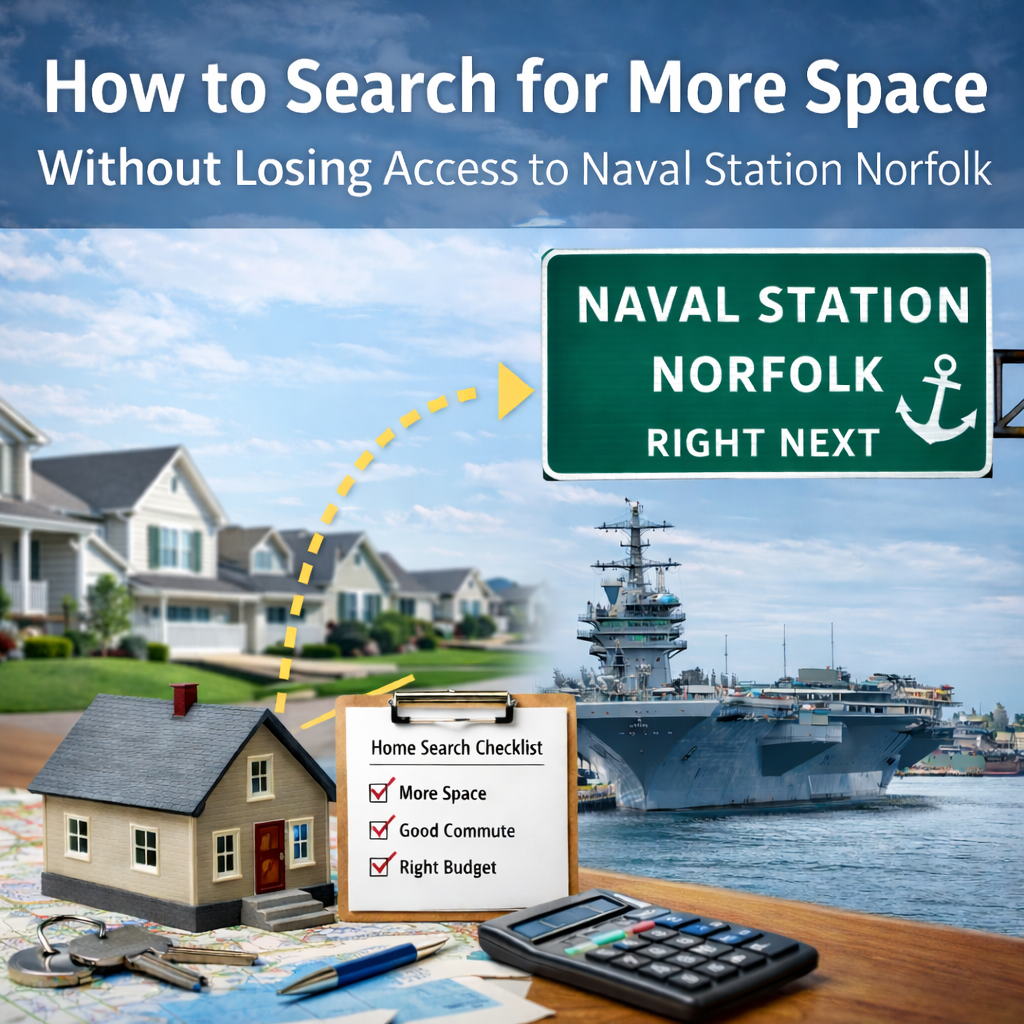
How to Search for More Space Without Losing Access to Naval Station Norfolk

TL;DR

If you are searching for more space without giving up practical access to Naval Station Norfolk, the goal is to look beyond simple mileage and focus on how a home fits your daily routine, budget, and long-term plans. A slightly wider search area may open the door to larger homes, better layouts, more storage, and more outdoor space, but the smartest move is to balance those benefits with commute patterns, road access, and overall convenience. By defining what “more space” really means for your household and comparing homes based on functionality instead of square footage alone, you can make a more confident decision that supports both your current lifestyle and future flexibility.

Why more space matters for buyers near Naval Station Norfolk

For many buyers connected to Naval Station Norfolk, the goal is not just to live closer. It is to find a home that works better for everyday life. More space can mean an extra bedroom, a dedicated home office, better storage, a larger yard, or simply a layout that feels less cramped over time. For military households, growing families, remote work needs, frequent guests, and future PCS planning can all make space a major priority.


At the same time, access still matters. A home that offers more square footage may not feel like a good fit if the drive creates daily stress or makes routines harder to manage. That is why the smartest home search is not only about finding the biggest house possible. It is about finding the right balance between space and location. Buyers who are also weighing housing costs may find it helpful to read On Base vs Off Base Housing: Which Option Saves You More Money? as part of that decision-making process.

Start with access, not just distance

One of the biggest mistakes buyers make is assuming that a home farther from base automatically means too much inconvenience. In reality, access depends on more than mileage alone. Traffic patterns, bridge routes, peak commute times, and the ease of getting to major roads all play a role in how practical a location feels.


Instead of asking only how many miles a home is from Naval Station Norfolk, ask how the trip works during a normal weekday. A slightly farther location may still make sense if the route is straightforward and the home gives you more functional space for the price. Looking at access this way can open up more options without sacrificing too much convenience.

Define what “more space” really means for your household

Before expanding your search area, get clear on what kind of space you actually need. More square footage is not always the same as better usability. A larger home with an awkward layout may be less helpful than a slightly smaller one with flexible rooms and better storage.

Think about how you live day to day. Do you need an extra bedroom, a loft, a first-floor guest room, a bigger kitchen, more closet space, a two-car garage, or a yard with room to enjoy? When you define your priorities clearly, it becomes easier to compare homes based on function instead of just size. This is especially important if you are trying to buy with both present needs and future flexibility in mind, which is why What to Prioritize in a Home If You May PCS Again in a Few Years pairs naturally with this topic.

This can also help you avoid overbuying. Searching with purpose keeps the process more efficient and helps you focus on homes that support your routine now and your plans later.

Expand your search strategically

If you are trying to get more space without losing access to Naval Station Norfolk, widening your search area strategically can help. Some buyers focus too narrowly on one immediate area and overlook nearby communities where homes may offer more room, better lot sizes, or layouts that stretch their budget further.

The key is to compare tradeoffs carefully. A home with more indoor and outdoor space may be worth considering if it still supports your commute, budget, and daily priorities. For some buyers, that may mean looking at different parts of Chesapeake, Norfolk, or nearby areas that offer a different balance of value and convenience. If Chesapeake is already on your radar, Can Buying in Chesapeake Give Naval Station Norfolk Buyers More Space for the Money? is a strong companion read for understanding why some buyers expand their search there.

This is also where local market knowledge matters. Neighborhoods and price points can vary widely, even within the same city. A broader, more informed search can uncover options you may not have considered at first, and How to Narrow Down Your Chesapeake Home Search by Area Instead of Just Price can help buyers think through that process more strategically.

Look beyond square footage when comparing homes

A bigger number on a listing does not automatically mean a better fit. When comparing homes, look closely at how the property actually lives. Two homes with similar square footage can feel completely different depending on the floor plan, storage, natural light, yard use, and room placement.

Pay attention to features that make space more usable, such as open living areas, separation between bedrooms, bonus rooms, garage storage, and outdoor areas that extend how you use the home. A home that feels practical and comfortable every day may serve you better than one that is simply larger on paper. Buyers searching with military routines in mind may also want to read What Makes a Home Practical for Military Life Near Naval Station Norfolk for a deeper look at the features that often matter most in day-to-day living.

This approach also helps keep your search grounded in fair housing principles by focusing on property features, location logistics, and buyer preferences rather than assumptions about who should live in a certain area.

Think about long-term flexibility

If you may PCS again in the future, flexibility matters almost as much as current comfort. A home with more space can help now, but it should also make sense for your next chapter. Consider how the home may work if your needs change, if you need to sell later, or if you want a layout that appeals to a wide range of future buyers.

Features like extra bedrooms, functional living areas, practical storage, and adaptable spaces often hold value because they meet common housing needs. Choosing a home with long-term usability can help you enjoy more space now while keeping future decisions more manageable.

Use your budget as a strategy, not just a limit

Searching for more space without losing access to Naval Station Norfolk often comes down to how you allocate your budget. Some buyers may decide that a slightly longer commute is worth it for more room. Others may prefer a smaller home with easier access. Neither choice is automatically better. The best decision depends on what supports your lifestyle and priorities.

A smart search looks at monthly affordability, daily convenience, and overall function together. When you treat your budget as a strategy, you can make more confident tradeoffs and avoid focusing too heavily on only one factor.

Work with a local plan instead of a broad guess

The best home searches are usually built around a clear plan. That means narrowing your must-haves, identifying realistic commute boundaries, and comparing homes based on how well they support your routine. Buyers who take this approach often find that they do not need to choose between access and space as sharply as they first assumed.

A thoughtful local strategy can help you search more efficiently, spot better-fit listings faster, and avoid wasting time on homes that look appealing online but do not work in real life. When your search is built around both space and access, you are more likely to find a home that truly fits.

Frequently asked questions

Can I get a bigger home and still have reasonable access to Naval Station Norfolk?

Yes, in many cases you can. The key is to focus on commute practicality rather than just straight-line distance. Some homes farther from base may still offer workable access depending on traffic flow, road connections, and the time of day you typically travel.

Where should I look if I want more space near Naval Station Norfolk?

It helps to explore a wider range of neighborhoods and nearby cities based on your budget, preferred commute range, and space needs. Rather than limiting your search too early, compare homes by layout, lot size, and daily convenience so you can find areas that offer a better balance of room and access.

Is it better to prioritize square footage or commute time?

That depends on your household’s routine and long-term plans. For some buyers, having more usable space makes daily life easier and feels worth a modestly longer drive. For others, quicker access is the top priority. If you want help weighing those tradeoffs in Chesapeake, Norfolk, or nearby areas, Michele can help you compare options based on your goals.

What home features usually make a property feel more spacious?

A home often feels more spacious when it has a practical layout, good storage, open living areas, flexible-use rooms, and outdoor space that adds to daily functionality. If you are comparing listings and want help identifying which homes offer the best overall value for the space, reaching out for local guidance can save time.

How can I search smarter if I may PCS again in a few years?

Focus on homes that work well now while also offering long-term flexibility. Adaptable layouts, useful storage, and broadly appealing features can make a home easier to enjoy in the present and easier to evaluate later if your plans change. You can also browse more local blogs and listings for helpful guidance on buying near Naval Station Norfolk and the surrounding area.


Ready to explore homes that offer more room without losing sight of daily convenience? I can help you narrow down your options and build a smart home search strategy around your goals.

Michele Salyer, REALTOR®

📞 757-502-3671

🌐 www.salyerwilmothhomes.com

“If you are looking to sell, Call Michele! If you are looking to acquire, I’m your hire!”

Salyer Wilmoth Homes | A Better Way Realty

Equal Housing Opportunity

Posted in Buyer Guides
April 15, 2026

Why the Area Around a Home Matters More Than You Think

TL;DR

When buying a home, it is smart to look beyond the house itself and pay attention to the surrounding streets, traffic patterns, noise levels, nearby land uses, access to daily essentials, future development, drainage, and overall convenience, because these factors can shape your day-to-day living experience, long-term satisfaction, and resale potential just as much as the features inside the home.

Why Looking Beyond the Property Matters

When buyers tour a home, it is easy to focus on the kitchen, layout, finishes, yard size, and upgrades. Those details matter, but the area immediately around the home matters too. Daily traffic, street parking, nearby commercial activity, noise, drainage patterns, and access to key destinations can all affect how practical a home feels over time. In many cases, buyers benefit from looking at the bigger picture the same way they would when trying to narrow down their Chesapeake home search by area instead of just price.

Paying attention to the area around a home helps buyers make a more informed decision. It can also help avoid surprises after closing. A home may check every box on paper, but if the surroundings do not fit your lifestyle, routines, or comfort level, it may not feel like the right fit once you move in.

Street Traffic and How the Road Feels Day to Day

One of the first things to notice is the street itself. Is the home on a quiet residential road, near a busier connector road, at the entrance of a neighborhood, or close to a stop sign or intersection where cars regularly slow down and speed up again? These details can affect noise, ease of pulling in and out of the driveway, and the overall feel of the property.

It also helps to visit at different times of day. A street that seems calm in the middle of the afternoon may feel very different during morning commutes, school pickup hours, or weekend evenings. Watching how traffic moves can give you a better sense of whether the location fits your daily routine.

Noise Sources You May Not Notice Right Away

Noise is another factor buyers should pay close attention to beyond the home itself. Some sounds are obvious during a showing, but others are easier to miss if you are only there for a short time. Nearby main roads, highways, commercial activity, train lines, airports, service vehicles, or busy gathering spots can affect how quiet or active an area feels.


This does not automatically make a home a bad choice. Some buyers are comfortable with more activity, while others strongly prefer a quieter setting. The key is to notice the environment clearly so you can decide whether it matches what you want in everyday life. That is often one of the same practical details relocating buyers often miss about Chesapeake, VA when they are focused mainly on the house itself.

Nearby Land Use and What Surrounds the Home

A buyer should also look at what sits around the property. Nearby vacant land, retail buildings, office space, utility areas, major roadways, community amenities, or undeveloped parcels can all shape the feel of the location now and in the future. Even if the house itself looks great, neighboring land uses can influence privacy, traffic, noise, and convenience.

This is one reason it helps to do more than just walk through the front door and leave. Drive around the immediate area. Look at what is behind the home, across the street, and around the corner. A broader view often gives more useful insight than the listing photos alone, especially when you are thinking through the same kinds of key questions to ask before buying a home in Virginia.

Parking, Street Congestion, and Everyday Access

Parking conditions around a home can affect convenience more than many buyers expect. Some streets have ample room for guests and household vehicles, while others may feel tight or crowded depending on the time of day. Homes on narrower streets or in areas with heavier curbside parking may require a little more attention if easy access matters to you.

It is also worth noticing how easy it is to enter and exit the driveway, whether delivery trucks or service vehicles regularly use the street, and whether the area tends to feel open or congested. These may seem like small details during a home tour, but they can become important parts of daily life once you live there.

Drainage, Standing Water, and Site Conditions Nearby

Beyond the house, buyers should pay attention to the land around it. After rain, does water appear to drain away well, or are there low spots nearby where water tends to collect? Does the street appear level, sloped, or prone to puddling? These observations do not replace professional inspections or due diligence, but they can help buyers know what questions to ask.

The surrounding site conditions may affect convenience, maintenance, and peace of mind. Looking at curbs, storm drains, grading, and the general condition of the area can help you better understand how the property functions beyond what is visible inside the home.

Convenience to Daily Essentials

A home’s location is not just about the lot. It is also about how easily it connects to everyday life. Think about the places and services that matter most to your routine, such as grocery options, medical offices, commuter routes, fitness centers, shopping, dining, and other practical destinations. A home that saves time and reduces stress in daily errands can feel more valuable over time.

This kind of evaluation should stay focused on your own lifestyle needs and logistical preferences. Buyers can use convenience and accessibility as useful decision-making factors without making assumptions about who lives in an area.

Future Development and Changes Nearby

What is around a home today may not stay the same forever. Nearby open land, construction activity, road work, redevelopment, or growing commercial corridors can all shape the area over time. That does not always mean a negative change. In some cases, future development may bring added convenience or improved infrastructure. In other cases, it may mean more traffic or a busier setting.

Asking about nearby development and doing local due diligence can help buyers better understand what may change after they move in. This can be especially important for buyers who want a certain level of privacy, predictability, or ease of access.

How the Area Feels During Different Times of the Week

A smart home search does not stop after one quick showing. Try visiting the area on both a weekday and a weekend if possible. Some places feel calm during work hours but much busier in the evenings. Others may seem quiet on a weekday and more active on weekends due to events, nearby businesses, or traffic flow.

Seeing the area at different times helps buyers move past first impressions and get a more complete picture of what daily life may actually feel like there. For military and relocation buyers especially, this can connect closely with understanding what makes a home practical for military life near Naval Station Norfolk, since the surrounding area can shape commute ease, flexibility, and long-term convenience.

Why This Matters for Resale Too

Even if a home feels like the right fit today, it is worth considering how the surrounding area may affect resale appeal later. Buyers in the future will also look at traffic, convenience, noise, neighboring uses, and the overall setting around the property. While no one can predict the market perfectly, paying attention to these factors can help you make a more balanced purchase decision.

In some cases, broader location tradeoffs also connect to value and space decisions, especially for buyers comparing options across nearby cities. That is part of the reason some buyers explore whether buying in Chesapeake can give Naval Station Norfolk buyers more space for the money before choosing where to focus their search.

How to Evaluate a Home More Completely

When you tour a property, try to treat the home and its surroundings as one full package. Walk slowly. Step outside and listen. Drive around nearby streets. Check the route in and out. Visit again at another time of day if you can. Notice what supports your routine and what may create friction in daily life.

That extra attention can help you buy with more confidence and avoid focusing too narrowly on the home’s interior alone.

Frequently asked questions

What should I look at around a house before buying?

Before buying a house, pay attention to the surrounding street, traffic flow, noise levels, parking conditions, nearby land uses, drainage, access to major roads, and convenience to the places you use most often. These factors can affect your daily experience just as much as the home’s interior features.

Does the area around a home affect resale value?

Yes, the area around a home can influence buyer interest and resale potential. Factors like traffic, noise, convenience, and nearby development can all shape how attractive a property feels to future buyers. If you want help looking at a home from both a lifestyle and resale perspective, Michele Salyer can help you evaluate the full picture before you make a move.

How can I tell if a street is too busy for me?

The best way is to visit the home at different times of day and on different days of the week. Watch how traffic moves, listen for road noise, and see how easy it feels to get in and out of the driveway. What feels manageable for one buyer may not feel right for another, so it helps to compare the location against your own daily routine and comfort level.

Should I worry about future development near a home?

Future development is worth paying attention to because nearby changes can affect traffic, convenience, privacy, and the overall feel of the area. It is a good idea to ask questions, review local information when available, and think about whether the surroundings fit both your current needs and your long-term plans. If you are narrowing down homes and want local insight that goes beyond the listing, reaching out to Michele Salyer is a smart next step.

Why is it important to visit a home more than once?

A second visit can reveal details you may miss the first time, especially outside the property itself. The street may feel different in the morning than in the evening, and the surrounding area may be more active on weekends than weekdays. Touring with a more complete strategy can help you make a more confident decision, and Michele Salyer can guide you through what to watch for as you compare homes.


If you are trying to evaluate not just the home, but the full setting around it, I can help you look at the details that matter before you make your move.

Michele Salyer, REALTOR®

📞 757-502-3671

🌐 www.salyerwilmothhomes.com

“If you are looking to sell, Call Michele! If you are looking to acquire, I’m your hire!”

Salyer Wilmoth Homes | A Better Way Realty

Equal Housing Opportunity
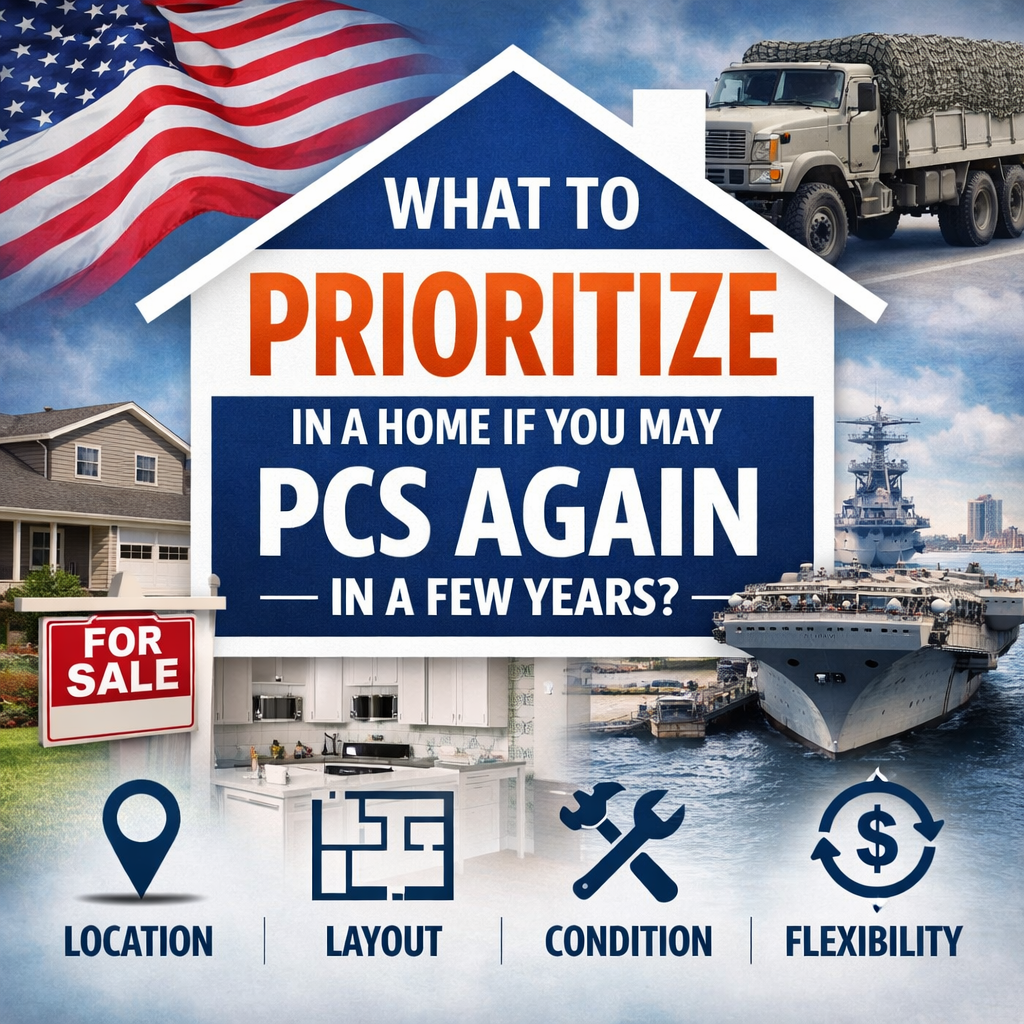
Posted in Buyer Guides
April 14, 2026

What to Prioritize in a Home If You May PCS Again in a Few Years

TL;DR


If there is a good chance you may PCS again in the next few years, it helps to think about a home differently from someone planning to stay long term. Instead of focusing only on finishes or square footage, it is often smarter to prioritize layout, condition, commute convenience, storage, and overall long-term flexibility. Buyers who expect another move usually benefit from choosing a home that works well for daily life now while also being easier to maintain, easier to rent if needed, and easier to sell when the next transition comes. A practical home choice can help reduce stress, support your timeline, and give you more options later without overextending your budget or forcing you into a property that only makes sense for a short season.

Why future flexibility matters when buying during military relocation

When you are buying a home and know another PCS could happen in a few years, flexibility should be part of your strategy from the start. It is easy to get pulled toward cosmetic upgrades, trendy finishes, or extra features that look appealing in the moment. But if your timeline may be shorter than expected, the better question is whether the home will still work well for you if your orders change, your household needs shift, or you decide to sell sooner than planned.


That does not mean buying a home has to feel temporary. It means making thoughtful choices that support both your current lifestyle and your future options. A home that is functional, well-located, and easy to maintain can serve you well while you live there and put you in a better position when it is time to move again. This is also why many buyers benefit from reading What Relocating Buyers Often Miss About Chesapeake, VA, since relocation decisions are not just about finding a nice house, but about understanding how a home fits your overall move.

Prioritize location and daily convenience first

One of the smartest things to prioritize is location. If you may PCS again in a few years, buying in an area that makes everyday life easier can matter more than stretching for a larger home farther out. Think about your routine, your work schedule, your access needs, and the kind of convenience that will make life less stressful while you are stationed in the area.

In places like Chesapeake, Virginia Beach, and Norfolk, buyers often weigh commute times, access to major roads, proximity to base, nearby shopping, and general day-to-day convenience. A home that saves you time each week can have real value, especially when military schedules are demanding and unpredictable. If you are still comparing where to focus your search, How First-Time Military Buyers Can Compare Chesapeake, Norfolk, and Virginia Beach is a strong related resource.


From a resale standpoint, location also tends to stay important no matter what the market is doing. Buyers looking later may also be thinking about commute, convenience, and accessibility, which can make a well-located property easier to market when your next move comes around.

Choose a layout that fits real life, not just today’s wishlist

If you may not stay in the home for many years, function often matters more than novelty. A practical floor plan can make daily living easier and appeal to more future buyers than a home that has one dramatic feature but lacks usability.

Look for a layout that supports the way you actually live. That may mean enough bedrooms for your needs, a useful flex room, sensible storage, a comfortable kitchen flow, or a first-floor setup that makes day-to-day routines easier. Open-concept layouts can feel spacious, but the best layout is the one that gives you flexibility without wasted space.


Homes with awkward additions, unusual room arrangements, or highly customized features may not fit as many future buyers. If another PCS may happen sooner rather than later, a home with broad practical appeal can be a safer choice than one that only works for a very specific lifestyle.

Pay close attention to maintenance and condition

A home that needs constant work can become more stressful if your timeline changes. When buying with the possibility of another PCS in just a few years, it is often wise to prioritize condition and manageable upkeep over projects you hope to tackle later.

That does not mean every home must be fully updated. It does mean you should pay attention to the roof, HVAC, windows, major systems, drainage, and overall maintenance level. Cosmetic issues can often be handled over time, but expensive repairs can be harder to absorb if you need to move sooner than expected.


Low-maintenance living can also be especially helpful for military households juggling deployments, travel, training, or a busy relocation schedule. A home that is easier to care for can free up time, reduce surprise expenses, and make your eventual transition smoother. Buyers who are feeling pressure to move quickly should also read Don’t Let a PCS Rush Your Home Purchase: What Can Go Wrong When You Buy Too Fast, since rushing can lead to costly oversights.

Focus on features that hold value over time

When buyers know they may move again, it helps to focus on features that tend to stay useful instead of chasing what feels trendy right now. Durable decisions usually age better than highly personalized ones.

Features that often stay practical include functional square footage, usable outdoor space, good storage, updated core systems, off-street parking or garage space, and a layout that feels easy to live in. Energy efficiency and newer systems can also help support affordability over time.


The goal is not to predict every future market shift. It is to choose a home that remains useful, attractive, and manageable even if your timeline shortens. Homes with strong everyday functionality often give buyers more flexibility whether they sell, stay longer, or explore rental options later. If you are also weighing property type, New Construction or Resale in Chesapeake, VA? What Smart Relocating Buyers Should Know First can help you think through the tradeoffs.

Think about exit strategy before you buy

An exit strategy is not pessimistic. It is practical. If there is a realistic chance you may PCS again within a few years, it is smart to consider what your next move could look like before you buy this one.

Ask yourself whether the home would be easy to maintain if you were preparing it for sale. Consider whether the monthly payment still feels comfortable if unexpected costs come up. Think about whether the property would have broad enough appeal if you needed to market it later. Some buyers also think about whether the home could be a possible rental in the future, depending on their goals, finances, and local conditions.


You do not need to have every answer before closing, but you should avoid buying a home that only works under perfect circumstances. A strong purchase is one that gives you more than one path forward. For buyers targeting homes near base, Living and Buying a Home Near Naval Station Norfolk in Norfolk, VA is another useful related read.

Avoid overbuying just because you are approved for more

Military buyers sometimes qualify for more than they actually want to carry comfortably month to month. If another PCS may happen in a few years, leaving room in your budget can be just as important as finding the right property.

A higher approval amount does not automatically mean a higher price point is the right fit. A manageable payment can give you more breathing room for maintenance, moving costs, unexpected repairs, or future transitions. It can also make a home easier to hold if you need more time to decide whether to sell or rent later.

Buying with margin can help reduce pressure. That flexibility can matter even more when military timelines and life changes do not always happen on a predictable schedule.

A smart PCS-friendly home is one that supports both now and next

The best home for a buyer who may PCS again soon is usually not the flashiest one. It is the one that makes sense across more than one chapter of life. It works for your routine now, does not create unnecessary stress while you live there, and gives you more options if plans shift.

That kind of home often comes down to practical priorities: good location, functional layout, manageable upkeep, sensible monthly costs, and features that stay useful over time. When you buy with both the present and the next move in mind, you can make a more confident decision without losing sight of what matters most. If you are narrowing down homes from a distance, How Virtual Tours Help Military Buyers Relocating From Out of State is also a helpful companion post.

Frequently asked questions

Is it smart to buy a home if I might PCS again in 2 to 4 years?

It can be, but the decision depends on your finances, timeline, comfort level, and goals. If you may PCS again in 2 to 4 years, it is especially important to focus on a home that is practical, well-located, and easier to manage if your plans change. The right purchase is usually one that gives you flexibility rather than forcing you into a property that only works if everything goes exactly as planned.

What kind of home is best for military families who may move again soon?

In many cases, the best home is one with a functional layout, manageable maintenance, and a location that supports daily convenience. Buyers in Chesapeake, Virginia Beach, and Norfolk often benefit from looking for homes that reduce commute stress, offer practical space, and make future transitions easier. If you are trying to narrow down your options based on your military timeline, Michele Salyer can help you focus on homes that fit both your current needs and your future flexibility.

Should I prioritize resale value if I know another PCS could happen?

Resale potential should absolutely be part of the conversation, especially if your stay may be shorter. That does not mean trying to predict the market perfectly. It means choosing a home with features that tend to remain useful and attractive over time, such as good location, practical condition, and a layout that appeals to a wide range of buyers. If you want help identifying homes that may offer stronger long-term flexibility, Michele Salyer can guide you through the local market with your timeline in mind.

Is a low-maintenance home better if I may be relocated again?

For many buyers, yes. A low-maintenance home can reduce stress, limit surprise expenses, and make it easier to prepare for a future move. If your schedule is already busy or uncertain, choosing a home with fewer immediate repair concerns can give you more peace of mind. This is one reason many relocating buyers prioritize condition and upkeep just as much as size or style.

How can I choose the right home in Chesapeake or near Naval Station Norfolk if I may not stay long term?

Start by focusing on your routine, your monthly comfort level, and the features that will still matter if your plans change. Prioritize location, layout, condition, and flexibility over purely cosmetic extras. The goal is to find a home that works well while you are here and still gives you options later. If you are buying near Naval Station Norfolk or anywhere in Coastal Virginia, Michele Salyer can help you sort through the homes that make the most sense for your situation.


If you are planning a move to Chesapeake, Virginia Beach, or Norfolk and want help finding a home that fits both your current assignment and your future plans, I am here to help you make a smart, informed move.

Michele Salyer, REALTOR®

📞 757-502-3671

🌐 www.salyerwilmothhomes.com

“If you are looking to sell, Call Michele! If you are looking to acquire, I’m your hire!”

Salyer Wilmoth Homes | A Better Way Realty

Equal Housing Opportunity

Posted in Buyer Guides
April 13, 2026

House Hunting Near Naval Station Norfolk? Let BAH Lead the Way

TL;DR

For buyers stationed at Naval Station Norfolk, Basic Allowance for Housing (BAH) can be a helpful starting point for setting a comfortable budget, narrowing target areas, and balancing monthly housing costs with commute, space, and long-term goals, but the smartest home search also looks beyond BAH alone to include taxes, insurance, fees, maintenance, and overall lifestyle fit.

Why BAH Matters When Starting a Home Search

For many buyers stationed at Naval Station Norfolk, BAH is one of the first numbers that shapes the home search. It often helps define what feels comfortable on a monthly basis and can give buyers a clearer framework for deciding where to look, how much space to prioritize, and what trade-offs may make sense. While BAH is not the same thing as a lender’s approval amount, it can still be a useful starting point for setting expectations before diving into listings.

That matters because a home search can quickly become overwhelming without a clear filter. Buyers may start with broad goals like wanting more room, a practical commute, or a home that works well for military life, but those goals usually need to be balanced against a monthly payment that feels sustainable. BAH can help create that starting point and make the search feel more focused instead of scattered.

BAH Is a Starting Point, Not the Whole Budget

One of the most important things military buyers can remember is that BAH should guide the conversation, not control it completely. Buying a home involves more than a mortgage payment alone. Property taxes, homeowners insurance, utilities, maintenance, and possible HOA fees all affect the true monthly cost. That is one reason why buyers comparing housing options often benefit from reading On Base vs Off Base Housing: Which Option Saves You More Money? as part of a broader budget strategy.

Some buyers may want to stay below their full BAH amount to preserve room for savings, repairs, travel, or changing financial priorities. Others may feel comfortable stretching beyond it for a home that better supports long-term goals. Either way, the smartest approach is to look at the full monthly picture instead of treating BAH as the only number that matters.

How BAH Can Help Buyers Narrow Their Search

When buyers use BAH to create a realistic monthly comfort zone, it becomes much easier to narrow the search in a practical way. That monthly range can help shape decisions about where to look, what type of home to focus on, and which features matter most. It can also reduce decision fatigue by helping buyers rule out listings that do not align with their actual budget goals.

This is especially useful for buyers deciding between Chesapeake, Norfolk, and Virginia Beach. Each area can offer a different mix of commute, home size, property type, and value. Buyers trying to sort through those trade-offs may also find it helpful to read How First-Time Military Buyers Can Compare Chesapeake, Norfolk, and Virginia Beach and Can Buying in Chesapeake Give Naval Station Norfolk Buyers More Space for the Money? as they evaluate which location best supports their budget and priorities.

Monthly Payment Matters More Than Sticker Price

Many buyers begin by focusing on list price, but monthly payment is usually the more important number. Two homes with similar prices can have very different carrying costs depending on taxes, insurance, HOA fees, and financing structure. That is why BAH can be so helpful in the early stages. It encourages buyers to think in terms of monthly affordability rather than just headline price.

Approaching the search this way can also lead to calmer, more confident decisions. Instead of chasing the biggest house possible or reacting emotionally to price alone, buyers can compare homes based on what the full payment actually looks like in everyday life.

Location Choices Often Come Down to Trade-Offs

For buyers stationed at Naval Station Norfolk, location is rarely just about distance from base. It is also about how a home fits into daily routine, work schedule, commute preferences, and long-term goals. Some buyers may want to stay closer to base to make weekdays easier. Others may be open to a longer drive in exchange for more square footage, a different home style, or more value for the money. Buyers weighing those decisions may also want to explore What Makes a Home Practical for Military Life Near Naval Station Norfolk and Can Buying in Chesapeake Give Naval Station Norfolk Buyers More Space for the Money? for more insight into how daily function and housing value intersect.

Fair housing matters throughout this process. Buyers should have the opportunity to explore homes based on their own stated needs, budget, and preferences. A home search should stay focused on objective factors such as price, payment, commute, availability, property features, and condition rather than assumptions about what type of buyer should live in a certain place.

Why Pre-Approval and BAH Work Best Together

BAH can help buyers define a monthly comfort zone, but pre-approval shows what a lender may actually allow based on income, debts, credit, and loan structure. Those numbers are not always the same. In some cases, a lender may approve a buyer for more than what feels reasonable based on the buyer’s lifestyle and financial goals. In other cases, the full cost of ownership may lead a buyer to adjust expectations even if the approval amount looks strong on paper.

That is why BAH and pre-approval work best together. Buyers who want to better understand that financing step may also find One Homebuying Step You Don’t Want To Skip: Pre-Approval especially helpful. When buyers combine BAH, pre-approval, and a realistic view of monthly ownership costs, they are often in a stronger position to move quickly and confidently when the right home becomes available.

BAH Can Support Smarter Long-Term Decisions

Military moves can create a sense of urgency, but BAH can help buyers slow down and think strategically. Rather than pushing buyers toward the biggest possible home or the fastest possible purchase, it can serve as a helpful reference point for making a decision that feels sustainable over time. Buyers who are weighing timing just as much as affordability may also want to read PCSing to Naval Station Norfolk: Should You Buy Right Away? before moving forward too quickly.

A smart home search is not just about what fits today. It is also about whether the payment will still feel manageable if maintenance comes up, whether the home supports likely needs over the next few years, and whether the location works for the buyer’s real daily life. When used that way, BAH becomes more than a number. It becomes one part of a more thoughtful buying strategy.

Frequently asked questions

How does BAH affect how much house you can afford near Naval Station Norfolk?

BAH can help military buyers estimate a comfortable monthly housing range, which may shape the types of homes and areas they consider near Naval Station Norfolk. However, affordability should not be based on BAH alone. Buyers should also factor in taxes, insurance, HOA fees, utilities, maintenance, and lender qualifications before deciding what monthly payment feels workable.

Should military buyers spend their full BAH on a mortgage?

Not always. Some buyers prefer to stay below their full BAH amount so they have more flexibility for savings, repairs, travel, or other household expenses. Others may choose a higher payment if it supports a specific long-term goal. A strong home search usually starts with comparing full monthly costs instead of assuming the full BAH amount should automatically become the mortgage target. Buyers who want to explore how different price points may translate into real options can browse local listings and area-specific blog content before narrowing their search.

Is it better to buy closer to Naval Station Norfolk or farther away for more space?

That depends on the buyer’s priorities. Some buyers value a shorter commute and easier day-to-day routine, while others are willing to drive farther for more square footage or different home features. BAH can help frame that decision by making it easier to compare what may be realistic in different areas once total monthly cost is taken into account. If you are weighing those trade-offs, browsing local listings and market insights can help you compare what different areas may offer.

Can BAH help narrow a home search in Chesapeake, Norfolk, or Virginia Beach?

Yes. BAH can be a practical way to narrow a search to areas and home types that better fit a buyer’s monthly comfort zone. Instead of searching everywhere at once, buyers can focus on homes that align more closely with their financial goals, commute preferences, and desired features. That can make the process feel much more manageable. Buyers who want a clearer starting point can also review local blog content and current listings to compare housing options across Chesapeake, Norfolk, and Virginia Beach.

What should military buyers look at besides BAH when buying a home?

Military buyers should also consider lender pre-approval, total monthly payment, taxes, insurance, HOA fees, maintenance expectations, commute patterns, and long-term plans. It is also important to think about whether the home fits daily routine and whether the payment feels sustainable beyond the first move. If you are starting that process and want to better understand how location, budget, and available inventory fit together, browsing helpful local resources can be a smart next step.

If you are planning a move and want a better feel for how budget, location, and available homes can come together around Naval Station Norfolk, I can help you take the next step with local insight and a practical approach to your search.

Michele Salyer, REALTOR®

📞 757-502-3671

🌐 www.salyerwilmothhomes.com

“If you are looking to sell, Call Michele! If you are looking to acquire, I’m your hire!”

Salyer Wilmoth Homes | A Better Way Realty

Equal Housing Opportunity