TL;DR
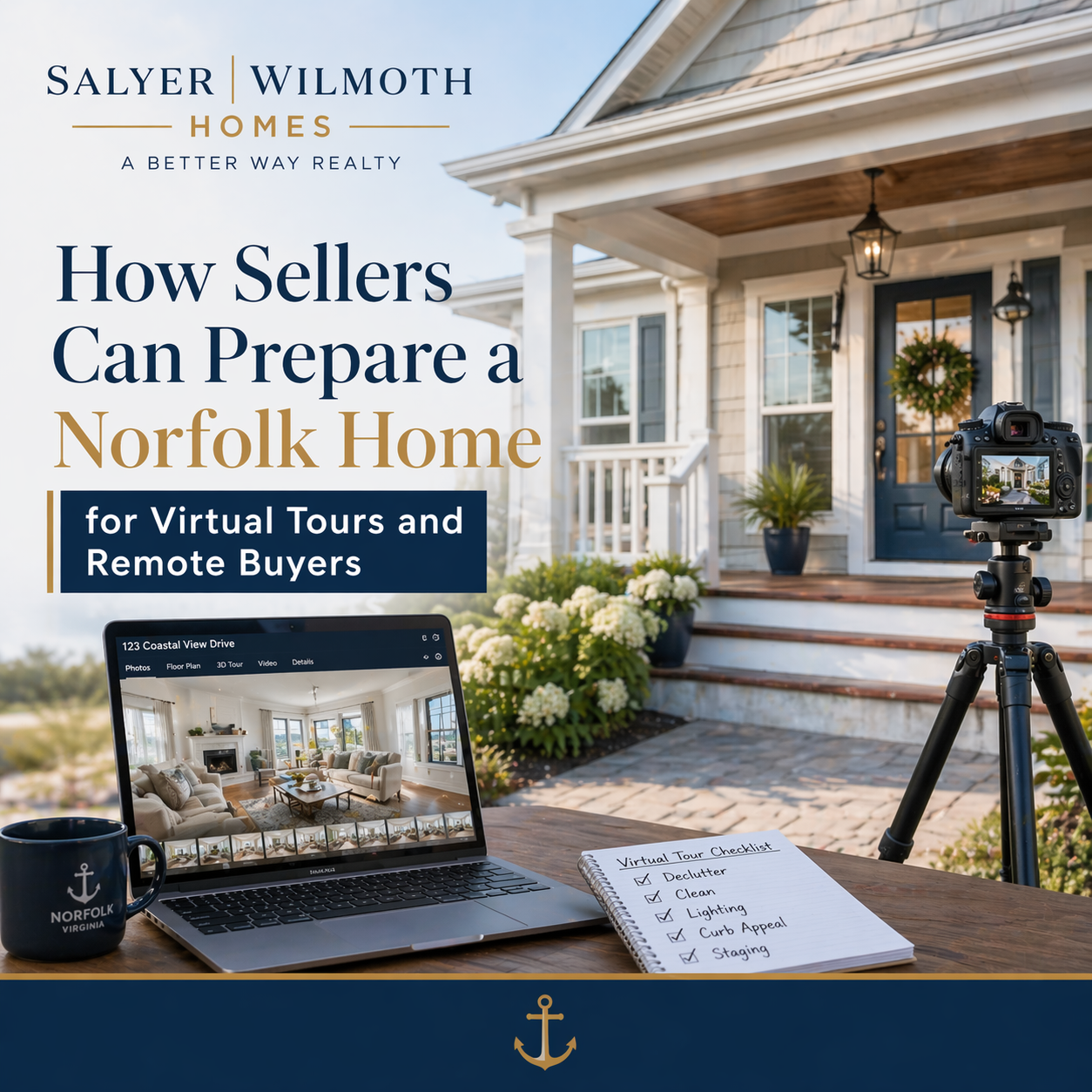
If you want your Norfolk home to stand out to virtual-tour shoppers and remote buyers, focus on the details that help someone feel confident from a distance: clean sightlines, bright lighting, accurate photos, a clear floor plan, honest disclosures, and a smooth showing experience. Virtual marketing works best when it helps buyers understand the home’s layout, condition, and day-to-day functionality without guessing. In a market where many buyers start online and some make decisions before they ever visit in person, sellers can gain an edge by preparing every room for the camera, reducing visual distractions, sharing practical property information early, and making sure the listing tells a clear, fair-housing-compliant story about the home itself rather than who should live there. For Norfolk sellers, that can also mean being ready to answer practical questions about flood considerations, permits, exterior changes, and property documents so remote buyers feel informed, not hesitant.
Why Virtual-Tour Prep Matters When You Are Selling
When your home hits the market, many buyers will see it online before they ever decide whether it is worth seeing in person. That first impression happens fast. If your listing feels dark, cluttered, unclear, or hard to follow, some buyers will move on before they ever ask a question.
That is one reason virtual-tour prep matters so much. A home that shows well online can create stronger interest earlier, especially among buyers who are comparing several properties from a distance. Your goal is to make your home feel easy to understand and easy to trust from the start.
If you are also thinking about how presentation affects buyer response overall, you may also want to read Why Home Staging Matters When Selling Your Home (and How It Helps You Sell Faster). It is a helpful companion post if you want a broader look at why preparation and presentation still make such a difference when you sell.
Make Your Home Camera-Ready, Not Just Clean
A clean home is a good start, but a camera-ready home goes further. Virtual tours and listing photos tend to highlight things you may not notice in everyday life, like crowded corners, too much furniture, dark lighting, unstyled surfaces, or rooms that do not feel clearly defined.
Before your photos or tour, clear counters, reduce excess décor, put away personal items, and remove anything that makes a room feel visually busy. Try to make each space feel open and easy to read. Buyers should be able to understand the purpose of each room quickly without feeling distracted by clutter or wondering how the space actually works.
Lighting matters too. Open blinds where it helps, replace dim bulbs, and make sure your home feels bright and consistent from room to room. The better your home reads on camera, the easier it is for buyers to stay interested.
For more seller tips on creating a stronger first impression, give How to Stage Your Home to Sell Fast in Hampton Roads a read as well. It fits naturally with this step and can help you think more strategically about how your home comes across before it goes live.
Help Buyers Understand the Flow of the Home
One of the biggest challenges with virtual tours is that buyers can easily get confused about layout. A room may look nice on its own, but if the flow from one room to another feels unclear, buyers may walk away unsure of how the home actually lives.
That is why you should prepare your home with movement and visibility in mind. Open interior doors before filming. Keep hallways clear. Remove any furniture that interrupts the natural path from one space to another. If you have a flex room, bonus room, or awkward corner, stage it in a way that makes its function easy to understand.
When buyers can quickly follow the layout, they are more likely to remember your home positively. A clear flow helps your home feel more usable and less uncertain, especially for buyers who are relying heavily on what they can see online.
Give Remote Buyers the Details They Will Want Early
Buyers viewing your home from a distance are often looking for more than attractive visuals. They want enough information to decide whether your home feels like a serious option. That means it helps to prepare useful details ahead of time instead of scrambling for answers later.
Think about the questions a serious buyer might ask after viewing your home online. Have recent updates ready. Be prepared to share the age of major systems if you know them. Make it easy to explain storage, parking, yard features, and any details that help someone understand how the property functions day to day.
The more prepared you are, the more confident your home can feel to someone who is making decisions from a distance.
And if you are also thinking about the bigger financial side of buyer decision-making, you may want to check out How to Price Your Chesapeake Home to Attract Serious Buyers Early. While it focuses on pricing, it is another useful read if you want to understand what helps attract stronger interest from the start.
Know What Is Worth Fixing Before You List
Not every issue needs to be solved before you list, but some updates can make a noticeable difference in how your home shows online. Minor cosmetic issues such as scuffed paint, burnt-out bulbs, messy landscaping, outdated fixtures, or visible maintenance concerns can pull attention away from your home’s strengths during a virtual tour.
That does not mean you need to over-renovate. It means you should be thoughtful about which issues may make your home feel neglected, confusing, or less market-ready than competing listings. In many cases, simple improvements can do more for your online presentation than expensive projects.
If you are trying to decide which repairs or improvements are worth making before listing, you may also want to read Is It Better to Renovate or Sell As-Is? A 2026 Homeowner’s Guide to Maximizing Profit. It is a smart next read if you are weighing whether to do more before putting your home on the market.
Highlight the Features That Show Best on Screen
Some features matter more in person, and some matter more online. In a virtual setting, buyers tend to notice natural light, room flow, storage, kitchen functionality, outdoor usability, parking, and overall upkeep very quickly.
As you prepare your home, think about which features will translate clearly through a screen. A bright kitchen with clean counters may stand out more than decorative styling. A tidy patio or backyard may do more than a crowded outdoor setup. A clean entryway, visible driveway, and organized garage can also help your home feel practical and well cared for.
This is another place where your preparation can support buyer confidence. When your home’s best features are easy to see and easy to understand, buyers do not have to work hard to imagine the value.
Keep the Marketing Focused on the Property Itself
As you prepare your listing, make sure the marketing stays centered on the home rather than on assumptions about who may want to live there. The most effective and fair-housing-conscious approach is to focus on the property’s actual features: layout, condition, updates, light, storage, outdoor space, and everyday functionality.
That kind of description is not just safer. It is also more useful. Buyers respond better when they can clearly understand the home itself rather than reading vague or exaggerated language.
If you are still figuring out who should guide you through the selling process, you may also want to read How to Hire a Real Estate Agent Who Puts Your Best Interest First as a Seller. It is a strong related post for homeowners who want help making smart selling decisions from pricing to marketing to preparation.
Be Ready for the Next Questions Buyers Will Ask
Once buyers finish a virtual tour, their next step is often a round of practical questions. They may want to know about the roof, HVAC, windows, recent updates, outdoor features, parking, storage, or anything else that helps them compare your home to others they have seen.
This is where preparation pays off again. When your home shows well online and the next layer of information is ready to go, the process feels smoother and more credible. Buyers are less likely to feel uncertain, and you are in a stronger position to keep their attention.
The smoother that transition feels, the easier it is for a serious buyer to go from “this looks interesting” to “I want to know more.”
Frequently asked questions
How do I prepare my Norfolk home for a virtual tour?
Start by decluttering, deep cleaning, improving lighting, and making each room easy to understand on camera. Buyers should be able to follow the flow of the home easily and see its best features without distractions. The goal is to make your home feel bright, clear, and well cared for online.
What do remote buyers want to see when they look at a home online?
Remote buyers usually want a realistic view of the layout, condition, storage, natural light, outdoor space, and recent updates. They are often looking for enough information to decide whether your home feels worth pursuing further, even before they visit in person.
Should I stage my home before listing it for virtual tours?
In many cases, yes. Even light staging or thoughtful setup can help your home feel more open, more polished, and easier to understand on screen. You do not always need a full redesign, but presentation can make a real difference in how your home comes across online.
What should I fix before marketing my home to remote buyers?
Focus first on what may affect a buyer’s confidence when viewing the home online. That can include visible maintenance issues, poor lighting, scuffed paint, clutter, or anything that makes the home feel less cared for. If you are not sure what is worth doing before listing, reaching out for advice can help you prioritize the right updates.
Can a strong virtual tour really help my home attract better interest?
Yes. A strong virtual presentation can help your home stand out, make it easier for buyers to understand the layout, and encourage more serious interest earlier in the process. When buyers feel clear on what they are seeing, they are more likely to stay engaged and take the next step.
If you are getting ready to sell and want your Norfolk home to show well for virtual tours and remote buyers, I would be glad to help you prepare a smart plan before your listing goes live.
Michele Salyer, REALTOR®
📞 757-502-3671
“If you are looking to sell, Call Michele! If you are looking to acquire, I’m your hire!”
Salyer Wilmoth Homes | A Better Way Realty
Equal Housing Opportunity