TL;DR
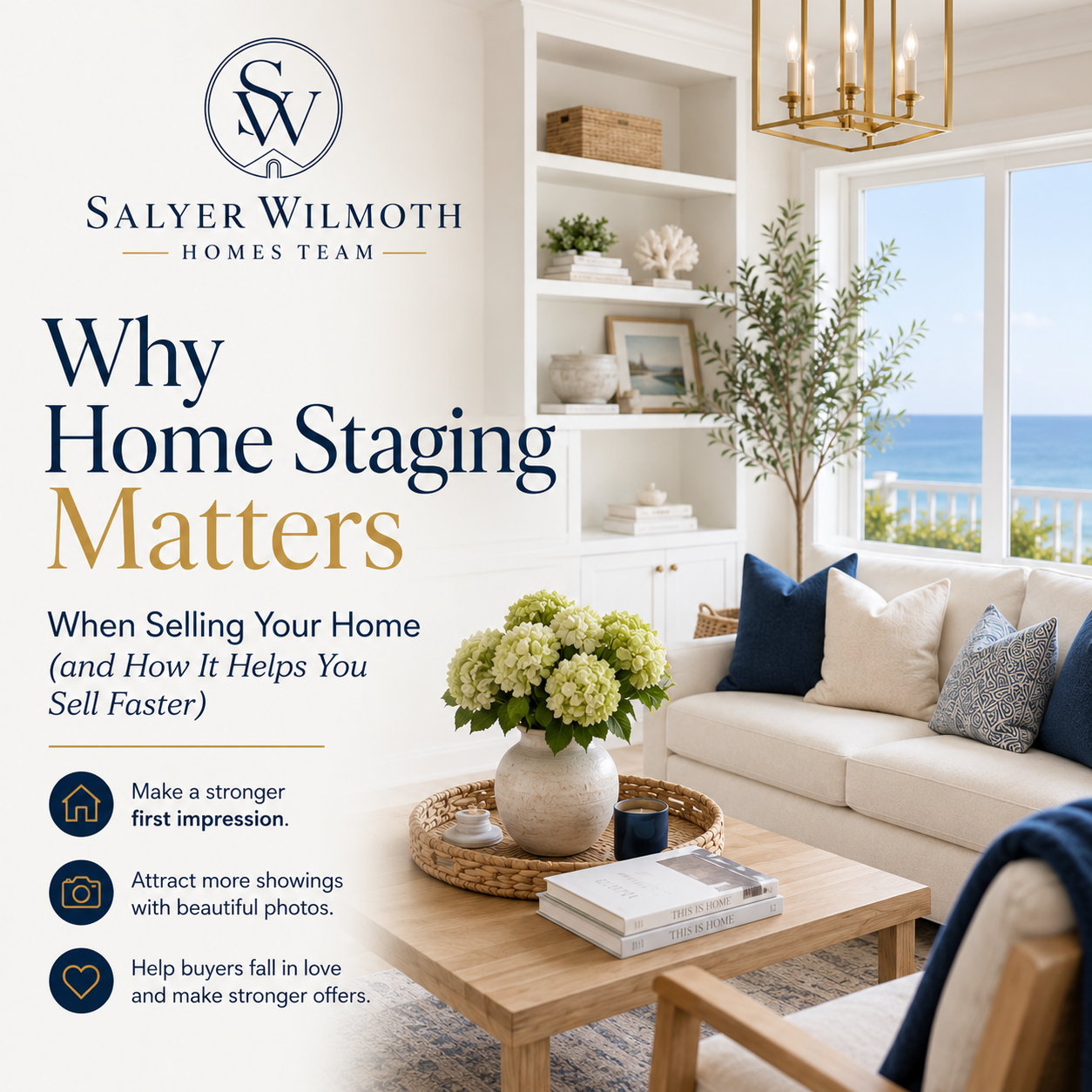
If you’re thinking about selling your home, staging is one of the highest-impact steps you can take before listing. It often requires less time, money, and stress than a major renovation, yet it can make a meaningful difference in how buyers see, feel, and respond to your home.
Staging helps your home photograph better, show better, and feel more inviting in person. More importantly, it helps buyers emotionally connect with the space and imagine themselves living there. When that happens, your home has a stronger chance of standing out, attracting more interest, and inspiring stronger offers.
What Is Home Staging?
Home staging is the process of preparing a home so it appeals to the widest possible pool of buyers. The goal is not to hide the home’s true character or make it feel artificial. The goal is to highlight the home’s best features, improve the way each space feels, and help buyers understand how the home lives.
Staging can include:
- Decluttering and depersonalizing
- Rearranging or removing furniture to improve flow
- Updating lighting so rooms feel brighter and cleaner
- Using neutral bedding, towels, and décor
- Refreshing paint, hardware, or small details
- Creating simple focal points in key rooms
- Improving curb appeal before buyers even step inside
At its best, staging does not make a home feel like someone else’s. It helps buyers see the home’s potential more clearly.
Why Staging Is So Important When Selling Your Home
1. Buyers Decide Quickly
Most buyers begin forming an opinion within seconds of walking into a home. Before they study the square footage, upgrades, or property details, they are already reacting to how the home feels.
A clean, bright, well-arranged space sends an immediate message: this home has been cared for.
That first impression matters. When buyers feel comfortable and interested right away, they are more likely to slow down, pay attention, and picture themselves living there.
2. Staging Helps Buyers Understand the Space
Unstaged homes can sometimes feel smaller, colder, or more confusing than they really are. Empty rooms may leave buyers unsure of scale. Crowded rooms can make good spaces feel tight. Rooms used for multiple purposes can make the layout harder to understand.
Staging gives each area a clear purpose.
It helps buyers see:
“This is the dining area.”
“This corner could work as a home office.”
“This living room can fit a sectional.”
“This bedroom still feels spacious with a full furniture layout.”
When buyers understand how a space functions, they do not have to work as hard to imagine living there. That makes the home feel easier to say yes to.
3. Staged Homes Photograph Better
Most buyers meet your home online before they ever schedule a showing. That means your listing photos have to do a lot of work.
Staging helps listing photos feel brighter, cleaner, and more inviting. It improves scale, flow, and visual balance so each room looks intentional instead of cluttered or unfinished.
Better photos can lead to more clicks. More clicks can lead to more showings. More showings create more opportunities for the right buyer to fall in love with the home.
In today’s market, strong photos are not just helpful. They are part of the strategy.
4. Staging Can Reduce Buyer Objections
Buyers often notice small things and turn them into larger concerns. A dated lamp, crowded shelves, oversized furniture, or poor lighting can make a space feel older, smaller, or less cared for than it actually is.
Staging helps shift the buyer’s attention toward the home’s strengths.
Instead of focusing on clutter, buyers notice the natural light.
Instead of questioning the layout, they see the room’s function.
Instead of feeling overwhelmed by personal items, they imagine their own life in the space.
Staging does not eliminate every objection, but it can soften distractions and help buyers focus on what matters most.
5. Staging Can Help Your Home Feel More Move-In Ready
A staged home often feels more polished and complete. That feeling matters because buyers are not only evaluating the home logically. They are also evaluating it emotionally.
When a home feels move-in ready, buyers may feel more confident. They may see fewer projects. They may feel less need to negotiate aggressively. They may also feel more urgency if the home stands out compared to other listings.
In other words, staging can help your home look like the one buyers do not want to miss.
And nobody likes regret — except maybe the seller of the unstaged house down the street.
What Should You Stage First?
If you are staging on a budget, focus first on the areas that influence buyer emotion and perceived value the most.
Living Room
The living room often sets the tone for the entire showing. Buyers want to feel that the home is comfortable, welcoming, and easy to live in. Removing excess furniture, improving lighting, and creating a clear seating area can make a major difference.
Kitchen
The kitchen should feel clean, functional, and well-maintained. Clear countertops, simple styling, updated lighting, and small details like fresh towels or a bowl of fruit can help the space feel more inviting without overdoing it.
Primary Bedroom
The primary bedroom should feel calm and restful. Neutral bedding, fewer personal items, and balanced furniture placement can help create the feeling of a retreat.
Bathrooms
Bathrooms should feel fresh, clean, and simple. Buyers usually respond well to a spa-like feel: fresh towels, clear counters, clean mirrors, and minimal products in sight.
Entryway and Curb Appeal
The buyer’s impression begins before they enter the home. A clean front door, trimmed landscaping, fresh mulch, simple planters, and a welcoming entryway help set the right tone from the start.
Simple Staging Tips That Make a Big Difference
You do not need to turn your house into a showroom. In many homes, small changes can make a big impact.
Start with these:
- Clear countertops, tables, and dressers
- Remove excess furniture to open walkways
- Pack away personal photos and highly specific décor
- Use brighter bulbs where needed
- Open blinds and curtains for natural light
- Use neutral bedding and fresh towels
- Touch up paint in high-traffic areas
- Create one focal point per room
- Clean the front door, porch, and entry area
- Make closets and storage areas feel organized, not overfilled
The goal is not to make the home feel empty. The goal is to make it feel open, clean, cared for, and easy to imagine living in.
Occupied vs. Vacant Homes: Staging Looks Different
Staging does not look the same for every seller.
For occupied homes, staging usually involves editing what is already there. This may include rearranging furniture, removing extra pieces, decluttering, simplifying décor, improving lighting, and making small updates.
For vacant homes, staging often helps buyers understand scale and flow. Empty rooms can feel flat in photos and harder to interpret in person. Furniture can help buyers see how each space could function.
The right level of staging depends on the home, the market, the price point, and the way the property will compete against similar listings.
Is Staging Always Worth It?
Not every home needs full professional staging. Some homes only need light editing, better lighting, fresh paint, or strategic decluttering. Others benefit from a more complete staging plan, especially if the home is vacant, has an unusual layout, or needs to make a stronger first impression online.
This is where a personalized walkthrough can be especially helpful.
Instead of guessing which updates matter, you can focus your time and budget on the changes most likely to move the needle before you list.
FAQs About Home Staging
1. Does staging a home really help it sell faster?
Staging can help a home sell faster by improving first impressions, strengthening listing photos, clarifying room function, and making the home feel more inviting to buyers.
2. What are the most important rooms to stage when selling a house?
The most important rooms to stage are typically the living room, kitchen, primary bedroom, and bathrooms. Curb appeal and the entryway are also important because they shape the buyer’s first impression.
3. How much does home staging cost?
Home staging costs vary depending on the home, location, whether the home is occupied or vacant, and the level of service needed. Some sellers only need a consultation and light styling, while others may benefit from full furniture staging.
4. Can I stage my home myself?
Yes, many sellers can make a strong impact by decluttering, rearranging furniture, improving lighting, using neutral décor, and freshening key areas. A professional stager can be helpful when the layout is challenging, the home is vacant, or a more polished presentation is needed.
5. What should I remove when staging my home to sell?
Remove personal photos, excess décor, bulky furniture, countertop clutter, and anything that makes rooms feel smaller or overly personalized. The goal is to make the home feel open, clean, and easy for buyers to imagine as their own.
Thinking About Selling Your Home?
Before you spend money on updates, it helps to know which changes will actually make the biggest impact.
Let’s connect for a personalized walkthrough so you can prepare your home with clarity, confidence, and a strategy that fits your goals.
Michele Salyer, REALTOR®
📞 757-502-3671
“If you are looking to sell, Call Michele! If you are looking to acquire, I’m your hire!”
Salyer Wilmoth Homes | Atlantic Sotheby’s International Realty
Equal Housing Opportunity