TL;DR
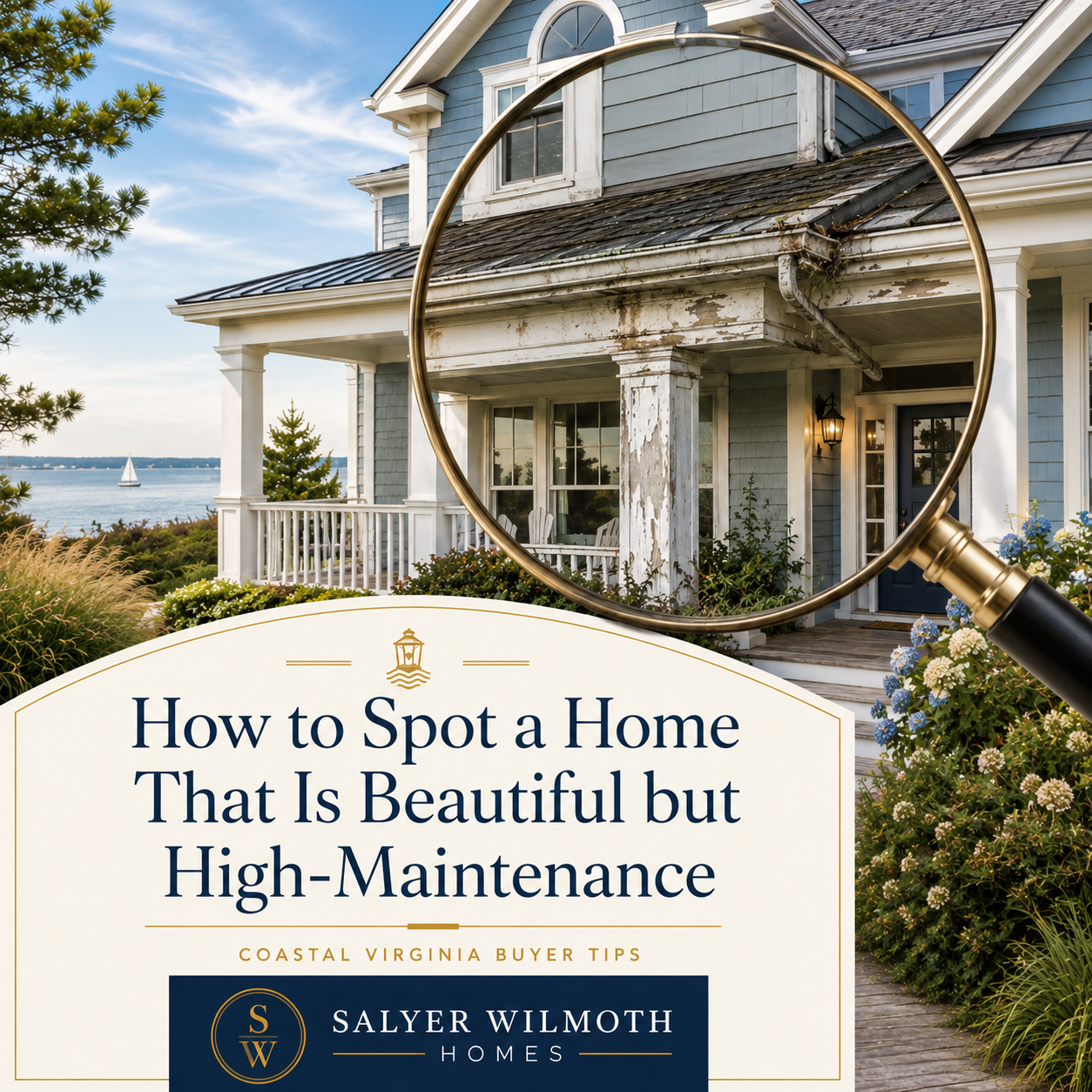
Some homes look beautiful online and even better in person, but that does not always mean they will be simple, affordable, or easy to maintain after closing. Fresh paint, updated lighting, staged rooms, mature landscaping, waterfront views, older-home charm, or designer finishes can make a property feel instantly appealing, but buyers should also look closely at the roof, HVAC, water heater, windows, drainage, crawlspace, exterior materials, deck, fencing, yard design, and signs of moisture or deferred maintenance. A beautiful home can still be a smart purchase, but the key is knowing whether the upkeep fits your budget, timeline, lifestyle, and long-term plans before you fall in love with the look of the home.
Why a Beautiful Home Can Still Be High-Maintenance
A home can look stunning at first glance. Fresh paint, designer lighting, updated countertops, clean staging, and beautiful curb appeal can make a property feel move-in ready. But beauty and low maintenance are not always the same thing. Some homes require more frequent repairs, more expensive upkeep, or more time-consuming care because of their age, materials, systems, location, landscaping, or past renovations.
For buyers in Coastal Virginia, including Chesapeake, Virginia Beach, Norfolk, Portsmouth, and nearby areas, this matters even more because local conditions can affect ownership. Moisture, salt air, storms, drainage, crawlspaces, older home systems, large trees, and exterior materials can all play a role in how much maintenance a home may need over time. The goal is not to avoid homes with character or upgrades. The goal is to understand what you may be taking on before you make an offer.
Look Beyond the Photos
Listing photos are designed to show a home at its best. That is not a bad thing, but buyers should remember that photos do not always show age, wear, moisture issues, repair history, or long-term upkeep. A bright kitchen may still have older plumbing behind the walls. A beautiful deck may need sealing, board replacement, or structural attention. A landscaped yard may look impressive but require constant trimming, irrigation, drainage work, or seasonal care.
This is why buyers should treat listing photos as the beginning of the decision, not the whole decision. If you want to understand how online presentation can shape buyer interest before a showing even happens, the blog on Listing Photos Shape the First Homes Buyers Choose to Tour is a helpful next read because it explains why a polished first impression can be powerful, but still needs to be balanced with what the home is like in person.
When touring a home, slow down and look at what the camera may not emphasize. Check ceilings, baseboards, windows, exterior trim, gutters, crawlspace access, HVAC equipment, visible foundation areas, fencing, decks, and drainage patterns. A home can still be a good fit, but the full picture matters.
Pay Attention to the Roof, HVAC, and Water Heater
Major systems are often where maintenance costs become real. A home may look beautifully updated inside, but if the roof, HVAC, water heater, or electrical system is older, the buyer should factor that into the decision. These items may not be exciting, but they can affect comfort, insurance, financing, repair timelines, and future expenses.
Ask about the age of the roof, HVAC system, water heater, windows, appliances, and any major repairs. Review available seller disclosures, permits when applicable, and inspection findings. New cosmetic updates are helpful, but they should not distract from the condition of the systems that keep the home functional. For a deeper look at how these costs can show up after closing, read First-Year Homeownership Costs and Responsibilities Many Buyers Don’t Expect, especially if you are trying to avoid being surprised by repairs, service calls, or maintenance needs during your first year in the home.
Watch for Exterior Materials That Need Ongoing Care
Some exterior finishes require more maintenance than others. Wood siding, older trim, decks, porches, fences, and certain decorative features may need regular painting, sealing, repair, or replacement. Brick, vinyl, fiber cement, and other materials may have different upkeep needs, but no exterior is completely maintenance-free.
In coastal or humid areas, exterior maintenance can be especially important. Moisture, shade, vegetation, salt air, and storms can affect siding, roofing, gutters, decks, and painted surfaces. A home with charm may be worth it, but buyers should understand the maintenance rhythm that comes with that charm.
Be Careful With “Recently Updated” Language
“Updated” can mean many things. It may mean a full renovation with permits and major system improvements. It may also mean fresh paint, new fixtures, new cabinet hardware, or surface-level changes. A home can be visually updated while still having older plumbing, electrical, HVAC, roofing, drainage, or insulation concerns.
When you see phrases like “beautifully updated,” “modern finishes,” “renovated,” or “move-in ready,” ask what was actually updated, when it was completed, who completed the work, and whether permits were required. A polished appearance is helpful, but documentation and inspection details help buyers understand the quality and scope of the improvements.
This is especially important when comparing older homes with newer homes. If you are weighing charm against convenience, Older Norfolk Home or Newer Chesapeake Home: Which Is the Better Fit? can help you think beyond appearance and compare how age, layout, systems, commute, and future upkeep may affect your decision.
Notice the Landscaping and Yard Design
A beautiful yard can add curb appeal, privacy, and outdoor enjoyment. It can also add work. Large trees, irrigation systems, retaining walls, pools, extensive flower beds, decks, patios, drainage features, and fencing may all require ongoing maintenance. None of these are automatically bad, but they should be considered as part of the total cost of ownership.
Buyers should look at whether the yard drains well, whether water appears to flow toward or away from the home, whether trees are close to the roof or foundation, and whether exterior features appear well maintained. A gorgeous backyard may still be the right choice, but it helps to know whether it fits your schedule, budget, and preferred level of upkeep.
Look for Moisture Clues
Moisture is one of the biggest things buyers should watch for, especially in areas with humidity, rain, storms, crawlspaces, and coastal conditions. Signs may include staining, musty smells, soft wood, peeling paint, warped flooring, bubbling drywall, standing water, rust, or visible mildew. Some signs are small and manageable. Others may point to larger concerns.
This becomes even more important when a home is near water or in an area where flood zones, elevation, drainage, or stormwater may shape ownership costs. If you are considering a home near the water, Waterfront Proximity Near Norfolk or Virginia Beach: A Buyer’s Guide to Risk, Cost, and Lifestyle is a smart follow-up because it looks at how the view, location, insurance, and long-term maintenance can all connect.
A home inspection is important, but buyers can also pay attention during the showing. Look under sinks, around windows, near exterior doors, in closets, around HVAC areas, in garages, and near crawlspace access points. If something feels off, ask questions before moving forward.
Consider the Age and Style of the Home
Older homes can offer character, craftsmanship, location, and charm that many buyers love. They may also come with older systems, unique layouts, specialized materials, or maintenance needs that newer homes may not have. Newer homes can also require maintenance, especially if construction quality, drainage, warranties, or systems are not carefully reviewed.
The better question is not whether older or newer is automatically better. The better question is whether the home’s condition, repair history, layout, systems, and upkeep match your expectations. A charming older home can be a great choice for the right buyer. A newer home can still come with surprises if important details are overlooked.
Do Not Ignore the Crawlspace, Drainage, and Foundation Areas
In many Coastal Virginia homes, crawlspaces and drainage deserve attention. These areas may not appear in listing photos, but they can affect moisture control, comfort, air quality, structural condition, and repair costs. Buyers should pay attention to grading, gutters, downspouts, standing water, crawlspace condition, vapor barriers, insulation, and signs of pests or moisture.
A home that looks beautiful upstairs may still need work below. That does not always mean you should walk away, but it does mean you should understand the issue before deciding what the home is worth to you.
Think About Maintenance After Closing
The real cost of a home is not just the purchase price. Buyers should also think about what the home may cost to own over the next one, three, or five years. A home with an older roof, aging HVAC, large yard, wood exterior, older windows, pool, deck, or complex landscaping may require a larger maintenance budget than a simpler property.
This is where daily life matters, too. A home that looks beautiful may not feel practical if the layout, parking, access, traffic flow, storage, yard care, or commute does not support the way you actually live. If you want to think more carefully about those everyday details, Norfolk Homebuying Beyond the Listing: Noise, Access, and Daily Flow is a useful guide because it focuses on the parts of a home search that may not stand out in photos but can affect your routine after move-in.
Before making an offer, consider what you may need to repair, replace, service, clean, seal, trim, paint, or monitor after closing. A beautiful home can still be a smart purchase when the buyer understands the maintenance picture.
Work With the Right Professionals
A buyer does not have to spot every issue alone. A real estate professional can help you ask better questions, compare homes more carefully, and understand what to investigate before making an offer. A licensed home inspector can evaluate the home’s condition in greater detail. Depending on the property, buyers may also need roof, HVAC, structural, pest, crawlspace, drainage, or contractor input.
The goal is not to scare buyers away from beautiful homes. The goal is to help buyers make confident decisions based on both appearance and condition.
Frequently asked questions
What makes a house high-maintenance?
A house may be high-maintenance if it has older major systems, exterior materials that require frequent care, moisture concerns, complex landscaping, a pool, a large deck, aging windows, drainage issues, or features that need regular professional service. A high-maintenance home is not always a bad home, but buyers should understand the time and cost involved before purchasing.
How can you tell if a home is expensive to maintain before buying?
You can look at the age of the roof, HVAC, water heater, appliances, windows, siding, deck, fence, and other major components. You can also review seller disclosures, ask about repair history, check visible signs of moisture or deferred maintenance, and schedule a home inspection. If you are comparing homes in Chesapeake, Virginia Beach, or Norfolk, let’s talk through what details may matter most before you make an offer.
Is a renovated home always lower maintenance?
No. A renovated home is not automatically lower maintenance because some renovations are cosmetic while older systems remain in place. A home may have new flooring, counters, lighting, and paint but still have an older roof, HVAC system, plumbing, electrical panel, or crawlspace concerns. Before you fall for the finishes, ask what was updated, when it was updated, and whether the work addressed the home’s major systems.
What should buyers look for during a home tour?
During a home tour, buyers should look beyond the style and focus on condition. Pay attention to ceilings, windows, doors, floors, exterior trim, gutters, grading, drainage, decks, fencing, HVAC equipment, water heater, visible stains, odors, cracks, and signs of past repairs. If you are touring homes in Coastal Virginia, I can help you compare the pretty details with the practical ones so you do not overlook long-term ownership costs.
Should I avoid buying a beautiful home if it needs maintenance?
Not necessarily. A beautiful home that needs maintenance may still be a great fit if the price, location, condition, and future repair costs make sense for your goals. The key is to understand what you are accepting before closing. If you are unsure whether a home’s maintenance needs are manageable, reach out before making a decision so you can look at the full picture with more confidence.
Thinking about buying a home in Coastal Virginia? Before you focus only on the photos, finishes, or curb appeal, let’s look at what the home may actually cost to own after closing.
Michele Salyer, REALTOR®
📞 757-502-3671
“If you are looking to sell, Call Michele! If you are looking to acquire, I’m your hire!”
Atlantic Sotheby's International Realty
Equal Housing Opportunity