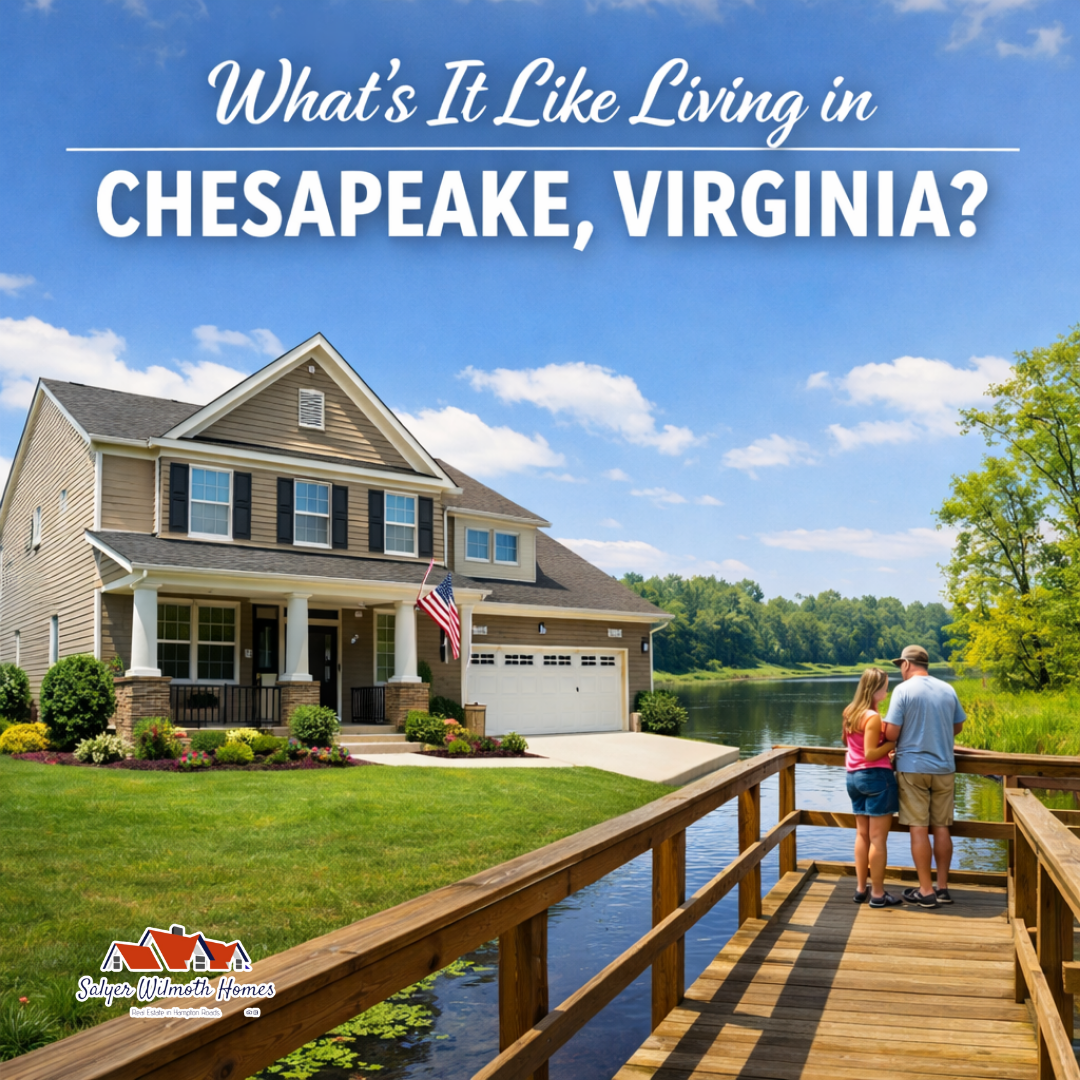
Living in Chesapeake, Virginia offers a balance of suburban space, coastal access, and diverse housing options within commuting distance of major employment centers.
Why Many People Consider Living in Chesapeake, Virginia
Chesapeake, Virginia is one of the largest cities in the Hampton Roads region by land area, offering a mix of suburban neighborhoods, rural landscapes, and growing residential communities.
Many people exploring relocation to southeastern Virginia consider Chesapeake because it provides a quieter residential environment while still being connected to nearby cities such as Virginia Beach, Norfolk, and Portsmouth.
The city has continued to attract homebuyers who want access to coastal amenities, regional highways, and different types of housing options. Communities range from established neighborhoods with mature landscaping to newly built developments designed for modern lifestyles.
For individuals relocating for work, military assignments, or lifestyle changes, Chesapeake often appears on the list of cities worth exploring due to its location and residential variety. Military families also frequently research the area when preparing for relocation, and some begin by reading resources like this guide for first-time military home buyers in Chesapeake, VA.
Housing Options in Chesapeake
One reason many people explore living in Chesapeake is the variety of housing options available throughout the city.
Homebuyers may find:
-
Single-family homes with larger lot sizes
-
Townhomes with lower maintenance needs
-
Newly constructed communities with modern layouts
-
Established neighborhoods with mature trees and traditional architecture
Because Chesapeake covers a large geographic area, different parts of the city offer different living environments. Some communities provide suburban neighborhoods close to shopping and schools, while others offer a quieter atmosphere with more open space.
This variety allows buyers to explore housing that fits different lifestyle preferences and long-term goals.
Lifestyle and Community Environment
Many residents describe Chesapeake as having a more suburban and spacious feel compared with some of the more densely developed areas nearby.
Some lifestyle characteristics people often associate with the area include:
-
Access to parks, trails, and outdoor recreation
-
Proximity to coastal attractions and waterways
-
Community-focused neighborhoods
-
Convenient access to regional highways
Because of its location in southeastern Virginia, residents can reach beaches, historic areas, and employment centers across the region without living directly in a high-traffic urban core.
Cost of Living Considerations
The cost of living in Chesapeake can vary depending on housing type, neighborhood, and individual lifestyle choices.
Some factors that influence cost of living include:
-
Home prices or rental rates
-
Property taxes and insurance
-
Transportation and commuting distance
-
Household size and personal spending habits
Compared with many large metropolitan areas, some buyers find the region offers housing options across a range of price points. However, like many areas across the country, housing prices have changed over time due to market conditions, inventory levels, and regional demand.
For buyers considering relocation, researching housing availability and market trends can help provide a clearer picture of what living costs may look like.
Location and Regional Access
Chesapeake’s location allows residents to commute to several major employment hubs within the Hampton Roads region.
Many residents work in nearby cities including:
-
Norfolk
-
Virginia Beach
-
Portsmouth
-
Suffolk
Regional highways and bridges connect these cities, which is one reason the area attracts people looking for housing within driving distance of multiple job centers.
In addition, Chesapeake’s large geographic footprint means some neighborhoods offer quick access to major roads, while others provide a more quiet residential setting farther from busy corridors.
Frequently Asked Questions
What is the best area to live in Chesapeake, VA?
The best area to live in Chesapeake often depends on personal preferences such as commute distance, housing style, neighborhood environment, and budget.
Some buyers look for established neighborhoods with mature landscaping, while others explore newer developments offering modern homes and community amenities.
Because Chesapeake is geographically large, many people explore several communities before deciding which area best fits their lifestyle and housing needs.
Is it worth moving to Virginia?
For many people, Virginia offers a combination of coastal living, economic opportunities, and diverse communities.
Cities across the state provide different lifestyle options, from historic towns to suburban neighborhoods and coastal areas. Many individuals relocating to southeastern Virginia explore places like Chesapeake because of its residential variety and access to nearby cities.
If you are researching relocation options or planning a move, exploring available homes and neighborhoods can help you better understand what living in the area may look like.
Is Chesapeake, VA expensive to live?
Living costs in Chesapeake vary depending on housing choices, neighborhood location, and personal spending habits.
Housing is typically one of the largest factors affecting overall cost of living. Some areas may offer larger homes and more space, while others provide townhomes or newer developments with different price ranges.
If you are considering buying a home in Chesapeake, reviewing current listings and local housing trends can help you better understand available options in the market.
What are the negatives of living in Virginia?
Like any state, Virginia has factors that some residents consider challenges depending on personal preferences.
For example, people relocating to coastal regions may want to research topics such as:
- Weather patterns and seasonal storms
- Flood zones in certain coastal areas
- Traffic during peak commuting hours
Understanding these considerations can help prospective residents make informed decisions when choosing where to live.
If you are evaluating whether Chesapeake or another nearby city fits your lifestyle, researching communities and housing options can provide helpful insights.
How much do you need to make to live comfortably in Chesapeake, VA?
The income needed to live comfortably in Chesapeake can vary based on household size, housing costs, transportation, and lifestyle preferences.
For many households, budgeting for housing expenses, utilities, transportation, and savings helps determine what level of income supports their desired lifestyle.
If you are exploring housing options or planning a move, reviewing available properties and speaking with a local real estate professional can provide useful guidance about current housing conditions and market trends.
If you're researching what it's like living in Chesapeake, Virginia and exploring housing options in the area, learning about neighborhoods and available homes can help you make a more informed decision.
Michele Salyer, REALTOR®
📞 757-502-3671
🌐 www.salyerwilmothhomes.com
“If you are looking to sell, Call Michele! If you are looking to acquire, I’m your hire!”
Salyer Wilmoth Homes | A Better Way Realty
Equal Housing Opportunity.