


TL;DR
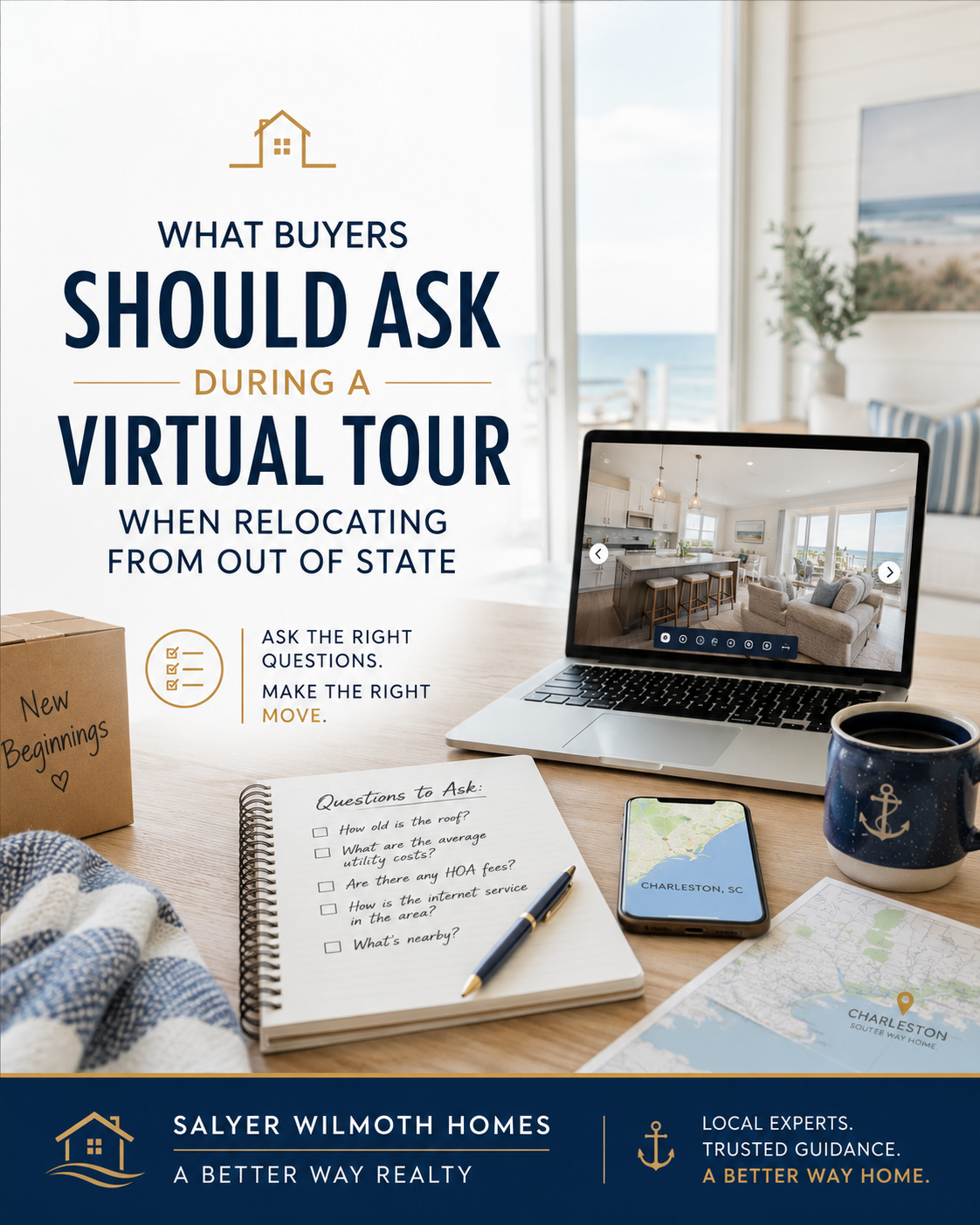
When relocating from out of state, a virtual tour should help buyers look beyond listing photos and ask the questions that reveal how the home truly lives day to day, including layout, storage, natural light, visible condition, parking, commute routes, flood zone considerations, HOA rules, insurance costs, and future maintenance needs, so they can compare homes more confidently before deciding whether to make an offer.
Why virtual tours matter for out-of-state buyers
Relocating from out of state can make the home search feel more complicated, especially when you are trying to evaluate a property before you can see it in person. Photos, listing descriptions, and online maps are helpful, but they do not always show the full picture. A virtual tour gives buyers a chance to slow down, ask practical questions, and look at the details that may affect comfort, cost, maintenance, and long-term fit. If you are still deciding whether remote showings can give you enough confidence to move forward, this guide on how virtual tours help military buyers relocating from out of state is a helpful next read because it explains why virtual tours can be especially useful when timing, distance, and relocation pressure are all part of the search.
For buyers moving to Chesapeake, Norfolk, Virginia Beach, or nearby Coastal Virginia areas, a strong virtual tour should do more than simply walk through the rooms. It should help you understand the home’s layout, natural light, storage, condition, parking, outdoor space, nearby access points, flood considerations, and any visible issues that may need closer review during inspections.
Ask about the layout, flow, and room function
One of the most important things to ask during a virtual tour is how the home actually flows from room to room. Listing photos can make spaces look larger, brighter, or more open than they feel in real life, so ask the person touring the home to move slowly through each area.
You may want to ask:
Can you show how the main living area connects to the kitchen?
Where are the bedrooms located in relation to the main living spaces?
Is there a clear space for a home office, guest room, hobby area, or flexible use?
How much storage is available in closets, the garage, attic, shed, or utility areas?
Can you show the view from the front door, back door, and main windows?
For out-of-state buyers, layout questions matter because you are trying to understand whether the home fits your daily routine without relying only on edited listing photos.
Ask about the home’s visible condition
A virtual tour should help you look closely at the home’s condition, not just its best features. Ask the person showing the home to zoom in on areas that may affect maintenance or future repair costs.
Important questions include:
How old are the roof, HVAC system, water heater, windows, and major appliances?
Are there any visible stains, cracks, soft spots, peeling paint, or signs of moisture?
Can you show the ceilings, baseboards, floors, exterior trim, crawl space access, and utility areas?
Are there any areas that look like they may need repair soon?
Have there been any recent updates, and were permits required?
A virtual tour is not a substitute for a professional home inspection, but it can help buyers decide whether the home is worth pursuing before spending time and money on the next step.
Ask about noise, light, and surroundings
Some details are hard to capture in listing photos. During a virtual showing, ask about what can be seen, heard, and felt around the property.
Ask questions such as:
What does the street sound like during the tour?
Is there visible traffic, nearby construction, commercial activity, or other noise?
How much natural light comes into the main rooms?
Are the neighboring homes, driveways, sidewalks, or nearby roads visible from the property?
Can you show the front, back, and side views from the home?
To keep the search Fair Housing-compliant, focus on property details, commute, access, amenities, and personal preferences rather than asking whether a neighborhood is “good,” “safe,” or suited for a particular type of buyer. Buyers can also review public resources and make their own decisions based on their needs.
Ask about commute and daily access
For relocating buyers, especially those moving on a tight timeline, commute and access can shape the home search. Rather than asking only how far the home is from work, school, base, or daily destinations, ask about realistic routes and access points. This is especially important if you are buying near Naval Station Norfolk because a home that looks close on the map may still feel different depending on bridges, tunnels, gates, work hours, and route options. For a deeper look at this issue, read Naval Station Norfolk Commute Reality: How It Can Shape Your Home Search before narrowing your list too quickly.
Helpful questions include:
What are the nearest major roads?
Are there multiple route options from the home?
Is parking easy to understand from the tour?
How does the driveway, garage, street parking, or assigned parking work?
Are there bridges, tunnels, tolls, gates, or high-traffic corridors that should be considered?
This is especially helpful for buyers relocating to areas near Naval Station Norfolk, Chesapeake, Norfolk, or Virginia Beach, where distance on a map may not always reflect daily travel experience.
Ask about flood zone, insurance, and long-term costs
In Coastal Virginia, buyers should think beyond the list price. Flood zone status, insurance costs, HOA fees, taxes, utilities, and maintenance can all affect affordability. Out-of-state buyers may be especially surprised by how much these costs can vary from one property to another, so it is worth asking the right questions early instead of waiting until after you are emotionally attached to the home. You may also want to review what buyers should know about flood insurance before buying near Norfolk or Chesapeake and extra costs that can surprise buyers near Coastal Virginia so you can compare homes with the full monthly picture in mind.
During the virtual tour or follow-up conversation, ask:
Is the home located in a flood zone?
Is flood insurance required by the lender?
Are there elevation certificates, past flood claims, drainage concerns, or seller disclosures available?
What are the estimated property taxes and HOA fees, if any?
Are there known upcoming assessments, repairs, or community fees?
These questions can help out-of-state buyers avoid surprises after falling in love with a home online.
Ask about HOA rules and property restrictions
If the home is in an HOA community, do not wait until late in the process to ask about the rules. HOA documents can affect parking, exterior changes, rentals, pets, fencing, landscaping, and other property uses. If you are comparing homes in Chesapeake or nearby areas, this guide on what buyers should know about HOA rules before buying in Chesapeake can help you understand why the rules deserve attention before you make an offer.
Ask:
Is there an HOA?
How much are the monthly or annual fees?
What do the fees cover?
Are there rules about parking, exterior changes, fencing, short-term rentals, or leasing?
Are resale documents available for review?
For out-of-state buyers, HOA details are especially important because the home may look like a great fit online, but the rules still need to match how you plan to use and maintain the property.
Ask what the listing photos do not show
Virtual tours are valuable because they allow you to ask for a more realistic view of the property. Do not be afraid to ask the person touring the home to show imperfect areas.
Some good questions include:
Can you show the least updated part of the home?
Can you open the closets, cabinets, pantry, garage, and utility room?
Can you show the exterior from all sides?
Can you slowly walk from the driveway to the front door?
Can you show the backyard from multiple angles?
Can you show any areas that were not included in the listing photos?
This helps buyers compare the full property, not just the most attractive images.
Ask what should happen after the virtual tour
A virtual tour can help you narrow your options, but it should also lead to a clear next step. After the tour, ask what additional information you should review before making a decision.
That may include seller disclosures, inspection options, HOA documents, flood zone information, insurance estimates, utility information, survey details, repair history, and loan-specific requirements. If you are relocating from out of state, it can also help to compare multiple homes side by side based on layout, condition, commute, monthly cost, and long-term practicality instead of relying on first impressions alone.
Frequently asked questions
What questions should I ask during a virtual home tour?
During a virtual home tour, ask about layout, room size, storage, natural light, visible condition, major systems, roof age, HVAC age, water heater age, flooring, windows, exterior condition, parking, yard drainage, HOA rules, flood zone status, insurance costs, and anything not shown in the listing photos. The goal is to understand how the home functions in real life, not just how it appears online.
Can I buy a house from out of state without seeing it in person?
Yes, some buyers purchase homes from out of state without seeing them in person, but it is important to have strong local guidance, a detailed virtual tour, clear documentation, appropriate contingencies, and professional inspections when applicable. If you are relocating to Chesapeake, Norfolk, Virginia Beach, or nearby areas, I can help you compare homes from a distance with practical details in mind.
How do I know if a virtual tour is showing the full condition of the home?
Ask for a slow walkthrough, close-up views of major areas, exterior footage, utility spaces, ceilings, floors, windows, closets, garage areas, and anything not shown in the listing photos. You should also review seller disclosures and schedule appropriate inspections. A virtual tour can help you decide whether to move forward, but it should not replace professional due diligence.
What should military buyers ask during a virtual tour near Naval Station Norfolk?
Military buyers relocating near Naval Station Norfolk should ask about commute routes, gate access options, parking, storage, home condition, flood zone status, insurance costs, HOA rules, VA loan property requirements, and timing. Instead of focusing only on distance to base, compare how the home works with your budget, timeline, daily routine, and long-term plans. If you are preparing for a PCS move, I can help you narrow the search before you arrive.
What should out-of-state buyers ask before making an offer after a virtual tour?
Before making an offer after a virtual tour, ask for seller disclosures, inspection options, flood zone details, insurance estimates, HOA documents, repair history, utility information, permit information, and a clear understanding of what is included in the sale. It also helps to compare the home against other options based on condition, layout, location access, monthly cost, and future resale considerations. If you are relocating from out of state, send me a message and I can help you review the next steps before you move forward.
If you are relocating from out of state and want help asking the right questions before making a decision, I would be glad to help you compare homes with a clear, practical, and local strategy.